
Continuing education has emerged as an essential pillar of personal and professional development in the 21st century. However, older adults are often an underrepresented group in these programs. According to the Economic Commission for Latin America and the Caribbean (ECLAC), it is estimated that by 2050, more than 25% of the population in Latin America will be over 60 years old. This demographic reality presents both a challenge and an opportunity for educational institutions: to integrate older adults into lifelong learning initiatives.
Incorporating this group into educational programs not only enriches their knowledge and skills but also strengthens the social fabric and promotes a more inclusive society. Lifelong learning for older adults plays a crucial role in their emotional, mental, and physical well-being, and contributes to their active participation in the community. It is essential for academic institutions and organizations to establish effective strategies to facilitate their access and participation in these programs.
Discover how to drive the inclusion of older adults in the digital age and transform the future of education. Participate in the International Meeting: Lifelong learning in the digital age!
The Importance of Lifelong Learning in Older Adulthood
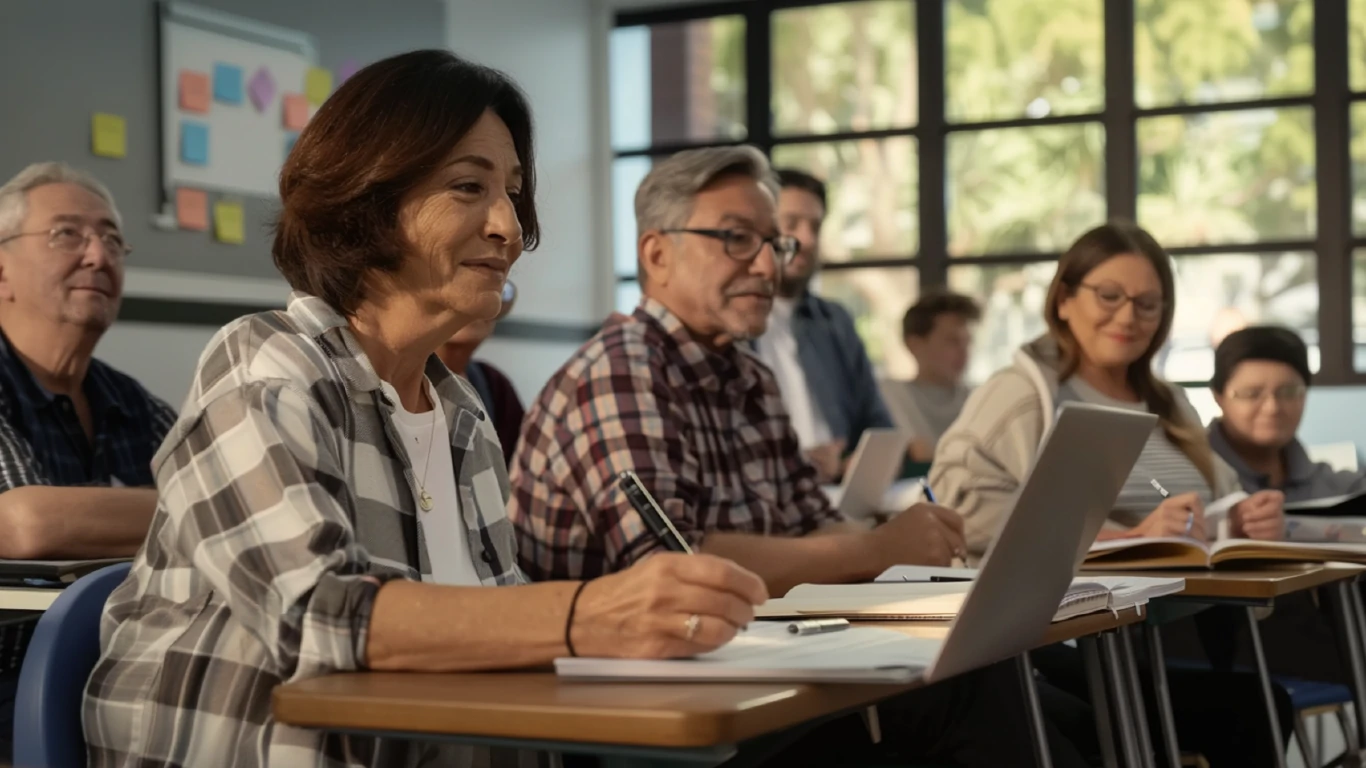
Lifelong learning in older adulthood is essential for promoting autonomy, social integration, and the well-being of seniors. Participating in educational programs allows them to remain mentally and socially active, reducing the risk of isolation and improving their quality of life. Higher education institutions play a crucial role by offering training opportunities tailored to this age group, fostering a culture of learning that spans all stages of life.
The educational offerings for older adults not only enrich their knowledge and skills but also contribute to community development and the strengthening of the social fabric. By involving older adults in educational initiatives, their active participation in society is promoted, and their accumulated experience and wisdom are leveraged. It is essential that universities and educational centers implement inclusive strategies that facilitate access and participation for this segment of the population in continuing education.
💡 Want to lead innovation in continuing education? Join the event where experts share effective strategies for integrating older adults into educational programs. Don't miss it!
Challenges faced by older adults in continuing education
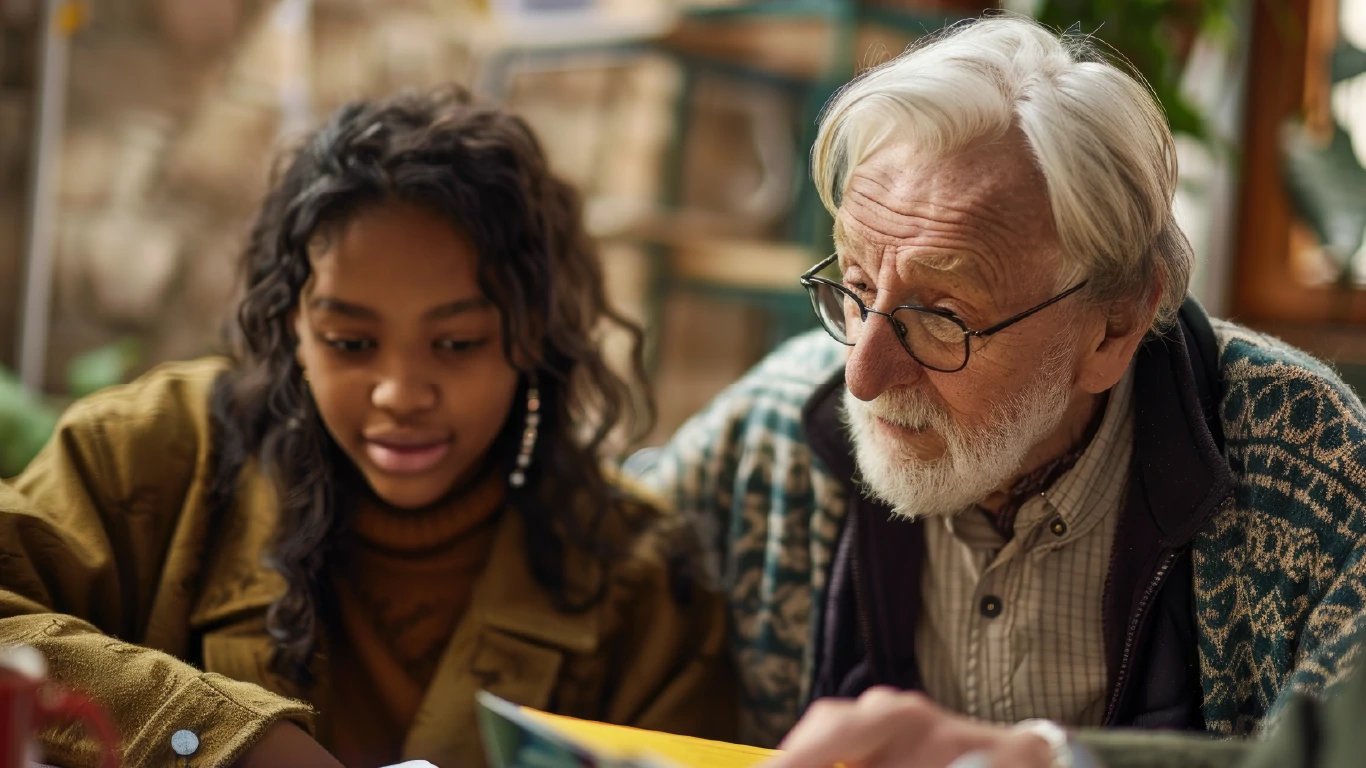
Older adults face various challenges in accessing continuing education programs. These difficulties can limit their participation and benefit from lifelong learning initiatives. Among the main challenges are:
- Technological and digital barriers: The digital divide is one of the most significant obstacles. Many older adults are not familiar with information and communication technologies, which makes it difficult for them to access online educational platforms and digital resources.
- Physical and health limitations: Age-related health conditions, such as vision, hearing, or mobility problems, can affect your ability to attend in-person classes or participate in educational activities that require physical exertion.
- Social stereotypes and prejudice There is a misconception that learning is less relevant in older ages. These stigmas can diminish the motivation of older adults and lead to a lack of institutional support for programs targeting this group.
- Lack of adapted educational offerings Academic institutions sometimes lack programs specifically designed for the needs and interests of older adults, limiting lifelong learning opportunities for this segment.
- Economic aspects: The costs associated with education can be a barrier, especially for those with fixed or limited incomes, making it difficult for them to participate in courses and workshops.
Addressing these challenges is essential for promoting inclusive and effective lifelong learning for older adults. Educational institutions and organizations must implement strategies that facilitate the access and participation of older adults in lifelong learning programs.
Connect with academic leaders from around the world and expand your professional network. The International Meeting provides you with the tools to make a difference. Get informed here!
Strategies to facilitate older adults' access to educational programs

Implementing innovative strategies is essential for facilitating older adults' access to educational programs and promoting inclusive lifelong learning. Below are three strategies aimed at continuing education managers that can enhance the participation of this demographic group.
- Development of Collaborative Intergenerational Programs
-
- Objective: Foster interaction and mutual learning between older adults and younger students, enriching the educational experience for both groups.
- Starting point: Recognize the value of the experience and knowledge of older adults and the importance of creating spaces for intergenerational exchange.
- What is achieved: A more cohesive academic community is promoted, social isolation of older adults is reduced, and meaningful learning is enhanced through the exchange of perspectives.
- Step-by-step execution:
- Identifying common areas of interest: Conduct surveys to detect topics of interest to both older adults and young students.
- Joint Curriculum Design: Create courses and workshops that integrate both groups, incorporating participatory methodologies.
- Teacher Training: Train academic staff in intergenerational facilitation techniques and awareness of the needs of older adults.
- Program Promotion: Disseminate the initiative through institutional channels and social media to attract participants of different ages.
- Monitoring and tracking
- Continuous Evaluation: Implement feedback mechanisms to measure satisfaction and learning outcomes.
- Impact analysis: Review indicators such as active participation and intergenerational interaction.
- Necessary adjustments: Adapt the program according to received evaluations and suggestions.
- Implementation of Accessible Technologies and Digital Training
-
- Objective: Reduce the digital divide and facilitate older adults' access to online education and technological resources.
- Starting point: Identify the technological limitations faced by older adults and offer tailored solutions.
- What is achieved: The participation of older adults in virtual educational programs is increasing, expanding learning opportunities and adapting to new teaching methods.
- Step-by-step execution:
- Digital Skills Diagnosis: Assess the level of technological competence of interested older adults.
- Development of training resources: Create teaching materials focused on the basic use of technologies relevant to continuing education.
- Implementation of user-friendly platforms: Adapt educational tools to be intuitive and accessible, with simple interfaces and technical support.
- Personalized support: Establish ongoing mentorship and assistance to address questions and build confidence in technology use.
- Monitoring and tracking
- Progress Tracking: Record the participation and progress of older adults in digital competitions.
- Constant feedback: Gather opinions on platform usability and training effectiveness.
- Technological Update: Keep tools and resources up-to-date, incorporating improvements as needs are identified.
- Flexible and Customized Program Design
-
- Objective: Offer educational programs that adapt to the interests, needs, and learning paces of older adults.
- Starting point: Understand the heterogeneity of the older adult group and the importance of providing relevant and accessible training options.
- What is achieved: Motivation and commitment of participants increase, as they feel that continuing education responds to their personal expectations and circumstances.
- Step-by-step execution:
- Needs and Interests Analysis: Conduct studies to identify the preferred subject areas and formats among older adults.
- Development of a diversified educational offering: Design courses, workshops, and activities with different levels of complexity and modalities (in-person, virtual, hybrid).
- Flexible scheduling and access: Schedule sessions at various times and allow access to deferred materials.
- Personalized learning: Incorporate methodologies that allow participants to progress at their own pace and focus on content of interest.
- Monitoring and tracking
- Performance evaluation: Utilize evaluation tools that consider individual progress and satisfaction with learning.
- Continuous adaptation: Adjusting programs based on results and feedback obtained.
- Promoting feedback: Establish communication channels for seniors to express their needs and suggestions.
These strategies, implemented from an innovative and student-centered perspective, can significantly transform continuing education for older adults. By addressing specific challenges and offering effective solutions, educational institutions will contribute to a more inclusive society with learning opportunities for all.
Update your knowledge and discover how to design tailored programs that benefit your institution and society. Attend the International Meeting and be part of the change!
Customized program design

The design of adapted programs is fundamental to ensure that older adults can fully access and benefit from educational opportunities. Higher education institutions must consider the specific characteristics of this demographic group when structuring their training offerings. This involves adapting content, methodologies, and formats to meet the needs and preferences of older learners.
An effective strategy is to incorporate student-centered pedagogical approaches that recognize the prior experience and knowledge of participants. For example, using participatory and collaborative methodologies can facilitate a more inclusive and motivating learning environment. Additionally, it is important to offer flexible schedules and diverse modalities, such as in-person, virtual, or hybrid classes, to accommodate the different circumstances of older adults.
Universities and continuing education departments can also form alliances with organizations dedicated to the well-being of older adults to develop programs that are culturally and socially relevant. By offering tailored continuing education, this promotes not only lifelong learning but also the social integration and empowerment of this population group. This contributes to a more equitable society, where access to education is an effective right for everyone, regardless of age.
🚀 Boost your institution's impact by adopting accessible technologies and inclusive methodologies. The future of continuing education awaits you. Sign up now!
Use of accessible technologies
The use of accessible technologies plays a crucial role in promoting lifelong learning for older adults. The integration of adapted and user-friendly technological tools allows seniors to overcome barriers related to the digital divide, facilitating their active participation in educational programs. Higher education institutions and continuing education departments have begun to implement technological platforms and resources specifically designed for this group, considering their needs and preferences.
It is essential to provide training in basic digital skills and use intuitive interfaces that simplify navigation and access to content. Additionally, incorporating assistive technologies, such as screen readers and accessibility settings, can significantly improve the learning experience. By adopting these measures, continuing education for seniors is enhanced, promoting their inclusion and contributing to their personal and social development.
🧠 Take advantage of this unique opportunity to explore innovative trends and solutions in education for older adults. Participate in the International Meeting and transform your vision!
The role of higher education institutions in the inclusion of older adults
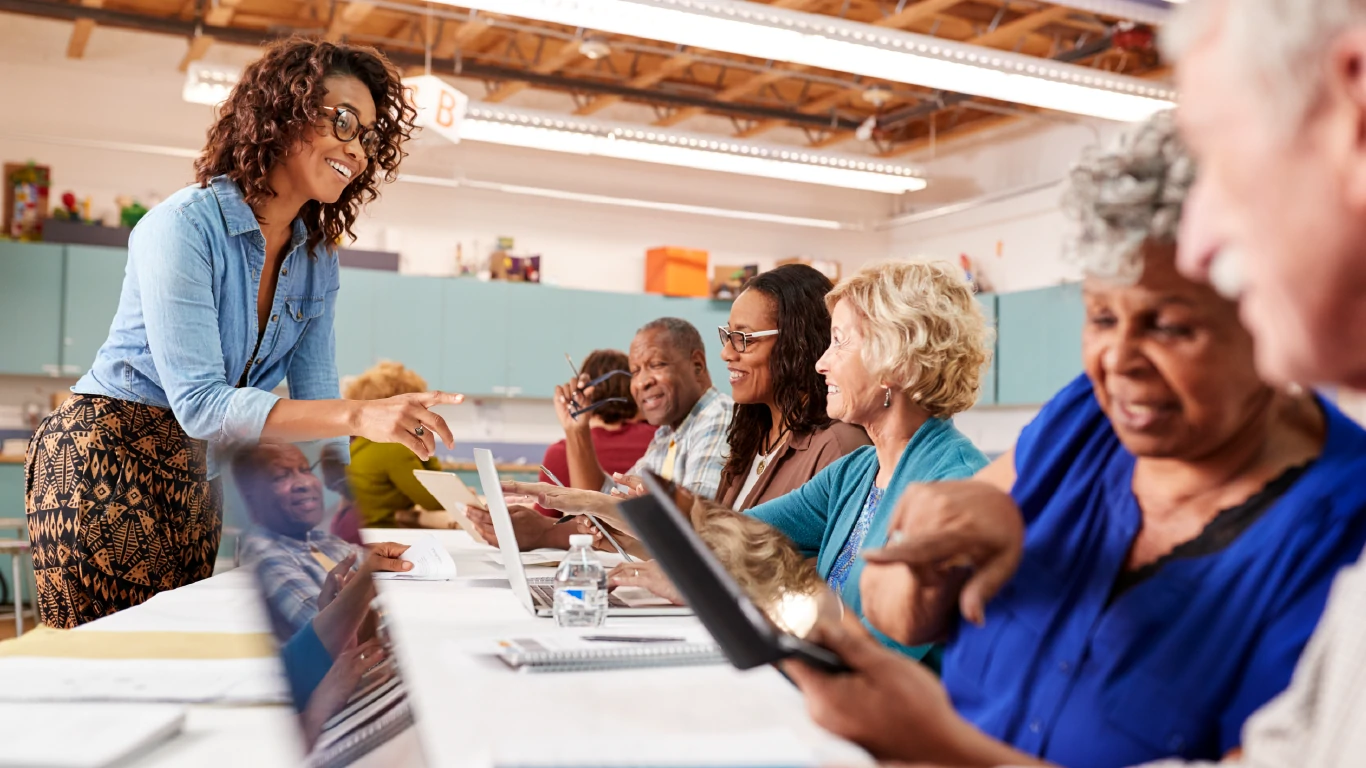
Higher education institutions play an essential role in the inclusion of older adults in the educational sphere. As epicenters of knowledge and innovation, these institutions are in a privileged position to develop initiatives that promote lifelong learning. By adapting their programs and methodologies, they can offer training opportunities that respond to the needs and aspirations of this growing demographic group.
The implementation of specific programs aimed at older adults not only enriches the academic offerings but also contributes to the intellectual diversity and richness of the university environment. Lifelong learning for older adults allows for the utilization of their vast experience and unique perspectives, fostering an intergenerational exchange that benefits the entire educational community.
It is fundamental that universities and academic centers promote inclusive policies, creating accessible and welcoming spaces that motivate the active participation of older adults. This implies considering aspects such as flexible scheduling, physical and digital accessibility, and the relevance of the content offered. Furthermore, establishing partnerships with social and governmental organizations can enhance the reach and impact of these initiatives.
By taking on this commitment, academic institutions not only contribute to the personal development of older adults but also strengthen the social fabric and promote a more equitable and cohesive society. Inspired by the conviction that learning has no age, it is possible to build a future where knowledge and education are accessible pillars for everyone. Together, we can forge a more inclusive community where every individual has the opportunity to grow and contribute, regardless of the stage of life they are in.
📈 Take your leadership to the next level and become a change agent in higher education. Join the key event of the year. Sign up today!
Frequently Asked Questions
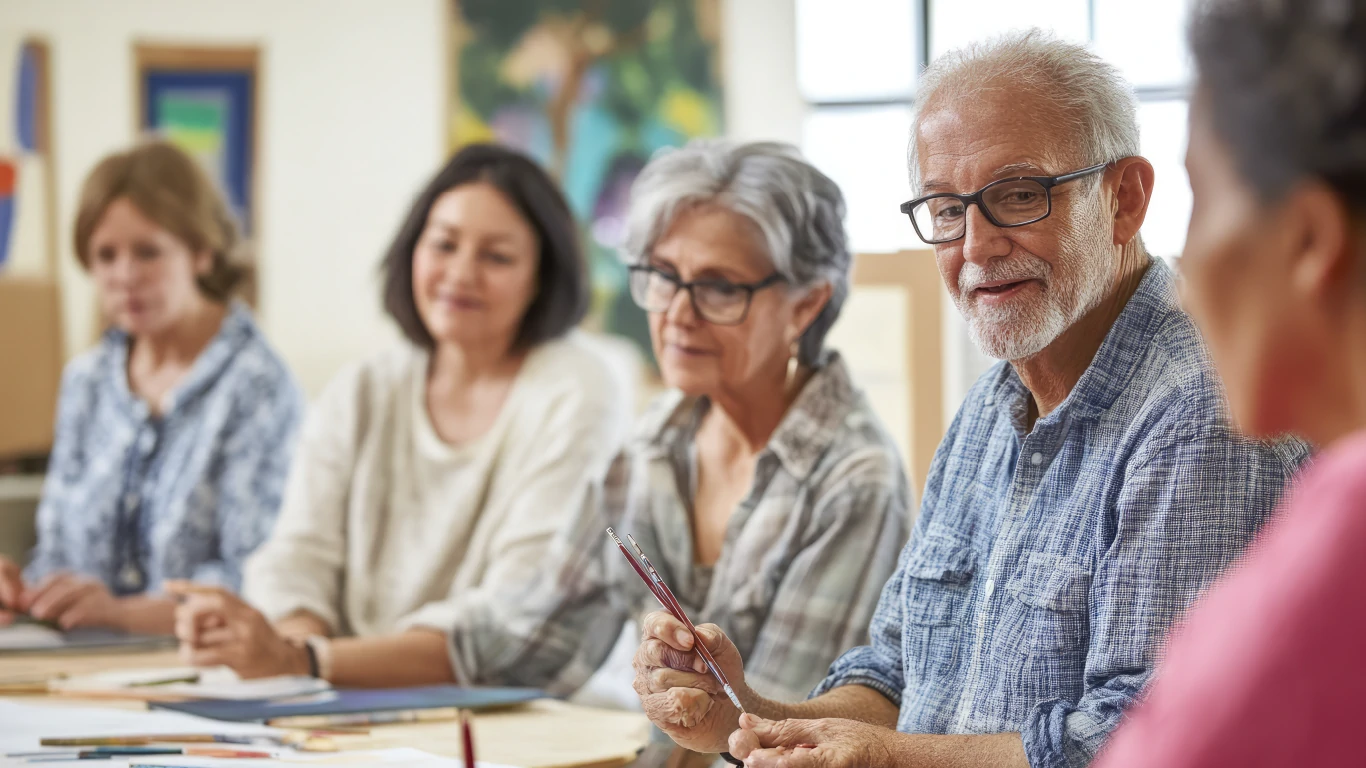
What is senior adult education?
Adult education for seniors is a set of training programs and activities specifically designed for older adults. Its goal is to promote continuous learning, personal and social development, and improve the quality of life for seniors by acquiring new knowledge and skills in various areas of interest.
Continuing education
Continuing education refers to the process of lifelong learning throughout one's life. It involves participating in formal and informal educational activities after basic and higher education, in order to update knowledge, develop skills, and adapt to social, technological, and labor changes.
What is the name of the adult education program?
Adult education programs may have different names depending on the country and institution. They are commonly referred to as adult education, lifelong learning, adult learning programs, or adult literacy and basic education programs.
What programs are there for older adults?
There are various programs aimed at older adults that cover areas such as:
- Digital literacy: Courses to learn how to use computers, mobile devices, and the internet.
- Personal Development: Art, Music, Language, and Literature Workshops.
- Health and well-being: Physical activities, nutrition, and healthy lifestyles.
- Professional training: Job skills and entrepreneurship training.
These initiatives are offered by universities, community centers, and non-governmental organizations, adapting to the needs and interests of older adults.
Adult education
Adult education is also known as lifelong learning, continuing education, or lifelong training. This term encompasses all educational activities aimed at people who wish to continue their education after traditional school age.
What are the levels of adult education?
Adult education levels generally include:
- Basic Literacy: Developing fundamental reading, writing, and arithmetic skills.
- Adult primary and secondary education: Programs equivalent to basic and secondary education.
- Technical and professional training: Courses aimed at developing specific job skills.
- Higher and University Education: Access to bachelor's, graduate, and continuing education programs at higher education institutions.
These levels are designed to be flexible and adapt to the needs, learning paces, and prior experiences of adults.
Join a community committed to lifelong learning. Contribute to social and educational development by attending the event. Learn more here!
Written and published by:
 Digital Momentum
The spark that ignites your online presence!