
Currently, continuing education is at a turning point in its evolution, with technological innovations and social changes that redefine learning methods and approaches.
The adoption of digital tools has gone from being an option to a necessity, drastically transforming the way academic institutions and companies manage competency development.
This change, driven by the fourth and the emerging fifth industrial revolution, demands a profound restructuring of continuing education in the digital age.
Universities and organizations must implement innovative and flexible strategies that adapt to the demands of a dynamic environment, where lifelong learning has become established. as a fundamental pillar for maintaining professional and academic relevance.
🧑🏫 Are you ready to drive educational transformation? Find solutions to ensure everyone has the opportunity to learn in a digitized world. More information here: XXX International RECLA Meeting.

The fifth industrial revolution, also known as Industry 5.0, is redefining the landscape of continuing education in the digital age.
Unlike the fourth industrial revolution, which focused primarily on automation and digitization, The fifth revolution emphasizes synergistic collaboration between humans and machines.
This approach not only seeks to optimize efficiency but also to personalize and humanize the educational experience. In this context, continuing education must adapt to an environment where technology not only complements, who amplifies human capabilities, promoting more significant and individualized learning.
For academic institutions, this represents an unprecedented challenge and opportunity. The adoption of technologies such as advanced artificial intelligence, virtual and augmented reality, and data analytics are no longer optional, necessary to remain competitive and relevant.
These advancements allow universities and training centers to offer more personalized programs, tailored to the specific needs of students and professionals seeking to update their skills in a constantly evolving job market.
This new paradigm requires higher education institutions to reconsider their teaching and learning strategies, focusing on models that integrate these technologies ethically and effectively., while ensuring data protection and fairness in access to these training opportunities.
Equitable education is more than a challenge, it's a commitment. This event will show you how to adapt your policies so that learning reaches more people. Participate in the XXX RECLA International Meeting.
The evolution towards a digital economy: New demands and opportunities

In the transition to a digital economy, continuing education faces the need to adapt quickly to an environment characterized by automation, artificial intelligence, and advanced digitalization.
This evolution has generated new demands in the labor market, which require specific technical skills and digital competencies., capable of integrating into complex technological ecosystems.
Academic institutions must therefore recalibrate their training programs to offer flexible and up-to-date learning, aligned with these emerging demands.
Continuing education in the digital age has become a fundamental pillar for maintaining the competitiveness of professionals and organizations. This new scenario requires educational programs to include advanced technological components, such as data analytics and artificial intelligence, which allow for more informed decision-making and greater personalization of learning.
Thus, the door opens to significant opportunities for those seeking not only to update themselves but also to lead in an increasingly interconnected and dynamic market.
This comprehensive approach not only responds to current market needs but also prepares professionals to face future challenges., strengthening their adaptability and resilience in a constantly changing world.
The future of education requires an inclusive approach. Learn the necessary steps to implement policies that ensure equity in your institution. Find out at the XXX RECLA International Meeting.
Impact on Continuing Education: Adaptation and Flexibility as Key Pillars

Adaptability and flexibility have become the fundamental pillars of continuing education in the digital age.
In a context marked by constant technological evolution and changing labor market demands, academic institutions must reconfigure their educational strategies to ensure that continuing education programs remain relevant and effective.
This flexible approach allows professionals to acquire and update their skills in an agile manner, responding to the immediate demands of the work environment.
Currently, continuing education cannot be limited to traditional teaching methods; it must incorporate emerging technologies that facilitate personalized and adaptive learning.
Tools like artificial intelligence, data analytics, and digital learning platforms play a crucial role in personalizing the educational experience., allowing institutions to offer programs that suit the specific needs of each individual.
This learning model, more dynamic and future-oriented, is essential for professionals not only to stay competitive but also to lead in an increasingly digitalized world.
🖥️ Digitalization should not be a barrier, but a tool for equity. Learn how to transform technology into an ally for continuous education. Join the XXX International RECLA Meeting.
Artificial Intelligence in Continuing Education: Ethical Implications and Practical Applications
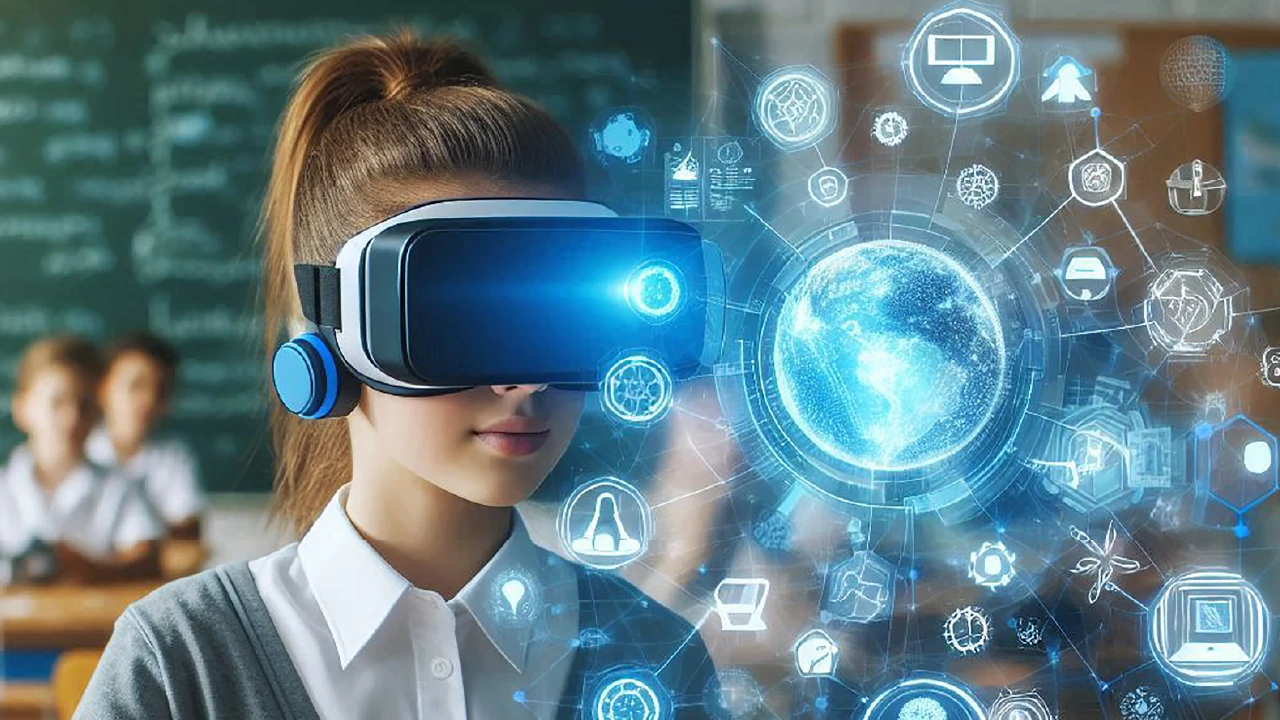
The incorporation of artificial intelligence into continuous education is profoundly transforming the pedagogical and operational approaches of academic institutions.
However, this integration is not without ethical challenges that must be seriously addressed. The use of artificial intelligence in education raises fundamental questions about data privacy, equity in access to learning opportunities, and transparency in automated decision-making.
From the perspective of continuing education in the digital age, it is crucial that universities and training centers develop clear policies to regulate the use of artificial intelligence, ensuring these technologies are applied fairly and responsibly.
This includes ensuring that AI tools used to personalize learning do not perpetuate biases or discrimination, and that the collection of personal data is done with full transparency and informed consent from students.
Additionally, the practical applications of artificial intelligence in continuing education offer unprecedented opportunities to improve the efficiency and effectiveness of educational programs.
From predictive analytics that help identify individual training needs to automated tutoring systems that provide real-time personalized support, AI has the potential to redefine how education is delivered and received in this new digital environment.
However, to maximize these benefits, it is essential that academic institutions adopt a balanced approach that combines technological innovation with a strong commitment to the ethical and moral principles that govern education.
🏅 Inclusive education is a right, not a privilege. Discover in this meeting how to successfully lead the implementation of equitable practices. Register for the XXX International RECLA Meeting.
Responsible Use of AI in Continuing Education
The responsible use of artificial intelligence in continuing education is essential to ensure that these technologies are implemented ethically and effectively, respecting the fundamental values of education.
In continuing education in the digital age, AI has the potential to transform the way educational programs are designed and delivered., but it is vital that its application be guided by principles of transparency, fairness, and privacy.
Academic leaders and institutions must establish clear guidelines that regulate how data is collected, processed, and used, ensuring that students maintain control over their personal information and that algorithms do not perpetuate biases or inequalities.
Furthermore, it is important that artificial intelligence be used as a complementary tool, not a substitute for human interaction in learning.
The value of continuing education lies in its ability to adapt to the individual needs of students, and AI can play a crucial role in this aspect as long as it is used in a balanced and conscious manner.
This means that automated educational decisions must be transparent and understandable, and must always be under the supervision of professionals who can contextualize and moderate the impact of these technologies on the learning experience.
This responsible approach not only protects students and institutions but also reinforces trust in the use of AI within the educational sphere., ensuring that digital transformation translates into significant and sustainable improvements for all stakeholders.
📖 Unlock new learning opportunities for everyone. Connect with education experts and discover innovative strategies for equitable access. Participate in the XXX RECLA International Meeting.
Data Analytics and Predictive Models: Informed Decisions in Continuing Education
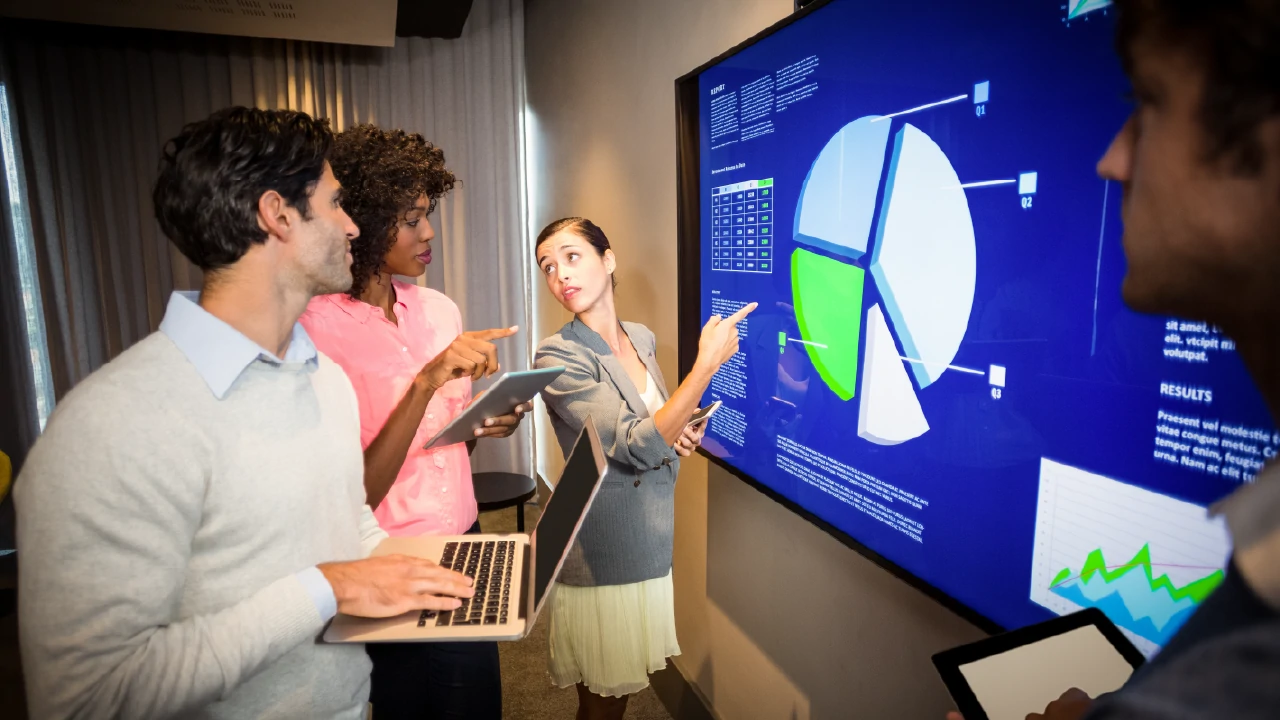
The integration of data analytics and predictive models in continuing education a significant advance towards more informed and personalized decision-making.
In the context of continuing education in the digital age, these tools allow academic institutions not only to monitor and evaluate student progress, but also to anticipate future needs, thus optimizing educational programs.
Data analytics, combined with machine learning techniques, provides institutions with the ability to identify patterns in large volumes of data, which facilitates the creation of predictive models that can forecast academic performance or the risk of dropping out, for example.
This data-driven approach allows academic leaders to make more precise strategic decisions, focused on improving student retention and the effectiveness of educational programs.
At the same time, the implementation of predictive models is not without its challenges. It is crucial that these models are developed and applied in a rigorous and ethical manner, ensuring that the results obtained do not perpetuate biases or discriminate against specific groups.
Transparency in data management and constant model validation are essential to ensure that decisions made benefit all students equitably.
This approach not only improves the operational efficiency of institutions but also strengthens their capacity to offer continuous education adapted to the changing needs of the job market and students in the digital age.
Academic leadership should be the driver of inclusion. Learn how to implement policies that generate a real impact on educational access. Connect with us at the XXX International RECLA Meeting.
Advanced Analytics as Support for Educational Improvement

Advanced analytics has consolidated itself as an essential tool for continuous improvement in the educational field, especially in continuing education in the digital age.
By allowing a detailed, real-time assessment of student performance, These techniques facilitate personalized learning and optimize academic decision-making.
This not only allows for the identification of previously unnoticed patterns and trends, who also supports the development of predictive models that can anticipate future challenges and needs.
Higher education institutions that have integrated advanced analytics into their processes report significant improvements in student retention and program effectiveness.
By using large volumes of data from learning management systems (LMS), such as Moodle or Sakai, universities can adjust their pedagogical strategies more precisely and adaptively.
This approach not only benefits students by offering them more personalized learning, who also empowers academic leaders with key information for informed decision-making.
This way, continuous education in the digital age is strengthened, allowing institutions to respond agilely and effectively to the changing demands of the educational environment.
🎓 Lifelong learning in the digital age requires bold solutions. This event will help you adopt effective approaches to ensure equity. Discover more at the XXX International RECLA Meeting.
Metaverse and immersive realities: The future of continuing education

The metaverse and immersive realities are revolutionizing continuing education by offering deeply interactive and personalized learning experiences. As universities and training centers explore these technologies, New possibilities are opening up for continuing education in the digital age.
The metaverse allows overcoming the physical limitations of traditional classrooms, offering virtual environments where students can interact more directly and effectively with educational content., regardless of their geographical location.
The immersive experiences that the metaverse offers go beyond what is possible in a conventional educational environment. For example, in areas like medicine, Students can perform high-complexity simulations that would be difficult or dangerous in real life.
These experiences not only improve understanding but also keep students motivated and engaged, removing space and time barriers to interaction and learning.
However, the adoption of the metaverse also presents significant challenges. Institutions must develop new pedagogical strategies that make the most of these technologies, adapting educational content and processes to immersive environments.
As continuing education evolves, the metaverse is positioned as a key tool to enrich and transform learning experiences, provided it is implemented with adequate planning and a student-centered vision.
📜 How can your institution lead in promoting equity? In this meeting, you will learn about strategies that are making a difference in continuing education. Don't miss the XXX International RECLA Meeting.
Augmented and virtual reality as educational tools

Augmented reality (AR) and virtual reality (VR) are redefining educational tools in the context of continuing education in the digital age. These technologies offer students immersive learning experiences that transcend the limitations of the traditional classroom.
Through AR, educators can overlay digital information onto the physical world, allowing students to interact with three-dimensional models, which improves the understanding of complex concepts.
For example, in engineering or medicine courses, students can explore anatomical structures or simulate technical procedures, which facilitates deeper and more meaningful learning.
For its part, virtual reality offers completely simulated environments in which students can practice skills in controlled but realistic situations.
This technology is particularly useful in areas that require a high degree of precision or involve real-world risks, such as surgery or emergency management. Additionally, VR promotes active and participatory learning, keeping students engaged and improving their knowledge retention.
Collectively, the integration of AR and VR in continuing education represents a crucial advancement, aligning teaching methodologies with the demands of an increasingly digitalized society.
These tools not only enrich the educational experience but also prepare students to face the challenges of an ever-evolving job market.
Inclusion begins with accessible education for all. Participate in an event that will provide you with the necessary tools to lead with equity. Register for the XXX International RECLA Meeting.
The metaverse as a learning environment: Challenges and possibilities

The metaverse, as a learning environment, offers an unprecedented set of opportunities for continuing education in the digital age., but it also presents significant challenges.
From an educational perspective, the metaverse has the potential to create highly interactive and personalized learning spaces that overcome physical and geographical limitations. This is particularly valuable for continuing education, since it allows students to participate in immersive educational experiences from anywhere in the world.
For example, a healthcare professional could practice complex procedures in a virtual environment before applying them in the real world, which facilitates more practical and effective training.
However, the implementation of the metaverse in education faces challenges that must be addressed. These include the need to develop new pedagogical methodologies that adapt to these digital environments, as well as ensuring accessibility and equity in access to the necessary technology.
Furthermore, it is crucial to consider the ethical and privacy implications when collecting and handling user data within these virtual environments.
As continuing education evolves in this new digital context, it is essential that academic institutions address these challenges with a strategic and collaborative vision., to make the most of the possibilities the metaverse offers, while also keeping ethical principles and inclusion in mind.
Connect with leaders redefining continuing education in the digital age. Learn how to ensure equitable access that drives learning for all. Join the XXX International RECLA Meeting.
Micro-credentials and alternative certifications: Responding to the needs of the digital age

Microcredentials and alternative certifications have become a crucial response to the emerging needs of continuing education in the digital age.
These credentials, which can be obtained in a relatively short period of time, allow professionals Acquire and demonstrate specific competencies that are highly valued in today's job market.
This flexibility is especially relevant in an environment where demanded skills are constantly evolving due to rapid technological advancement.
Higher education institutions around the world have begun integrating microcredentials into their programs, either as complements to traditional degrees or as standalone options that allow students to improve their employability in an agile way.
For example, universities like the University of Texas and the University of Wisconsin-Milwaukee have implemented microcredential programs in technology areas, in cybersecurity and data analytics to meet labor market demands.
These credentials not only benefit students by providing them with practical and applicable skills, but also help institutions attract a more diverse student population and respond to lifelong learning needs, which is a pillar of continuing education in the digital age.
🧠 Inclusive learning should be at the heart of our educational policies. At this event, you'll discover how to achieve it and take your institution to the next level. Participate in the XXX RECLA International Meeting.
Advantages of alternative credentials in continuing education

Alternative credentials, such as micro-credentials, are redefining the landscape of continuing education by offering a more flexible, skills-focused approach that meets the demands of the labor market.
In continuous education in the digital age, these credentials allow professionals to acquire specific competencies quickly and effectively., without the need to commit to long and expensive programs.
This is especially valuable in an environment where technological and digital skills are constantly evolving.
The advantages of alternative credentials in continuing education are numerous.
First, they allow educational institutions to respond agilely to the needs of the labor market, offering updated and relevant programs.
Furthermore, these credentials are stackable and transferable, meaning students can combine them to advance their careers or even pursue more advanced degrees in the future.
Institutions like the University of Wisconsin-Milwaukee and the University of Arizona are already successfully implementing these programs, integrating microcredentials into their curricular offerings. to maximize the employability of its students.
In summary, alternative credentials not only expand access to continuing education, which also offer an effective way to stay up-to-date in an increasingly competitive job market.
For academic institutions, these credentials represent an opportunity to innovate in their educational offerings, ensuring their programs remain relevant and aligned with the demands of the current professional world.
🎯 Don't get left behind in the digital age. Discover how inclusive educational policies can change the landscape of education. Join us for the XXX RECLA International Meeting.
Implementation in Academic Institutions: Trends and Future Projections

The implementation of microcredentials and alternative certifications in academic institutions is transforming the approach to continuing education in the digital age.
As universities and colleges adopt these credentials, we are observing key trends shaping the future of vocational training.
One of these trends is the integration of micro-credentials into traditional academic programs, allowing students to combine their learning in specific areas with a major degree, as institutions like the University of Wisconsin-Milwaukee and the University of Texas are doing.
Furthermore, the flexibility of microcredentials allows institutions to offer programs that adapt quickly to the changing needs of the labor market.
This not only benefits students, who can quickly acquire specific skills, but also to companies, which find in these programs a source of skilled talent ready to face current challenges.
Future projections suggest that collaboration between universities and companies to develop micro-credentials in emerging areas, such as artificial intelligence and cybersecurity, will continue to grow, thus consolidating the relevance of continuing education in the digital age.
Finally, it is essential that academic institutions maintain a focus on the quality and accreditation of these credentials to ensure their recognition and value in the global job market., which positions continuing education as a key element for long-term professional competitiveness.
🔑 The key to fair educational access lies in innovation and leadership. Come explore effective solutions that will benefit your institution. Find out at the XXX RECLA International Meeting.
 Digital Momentum
The spark that ignites your online presence!