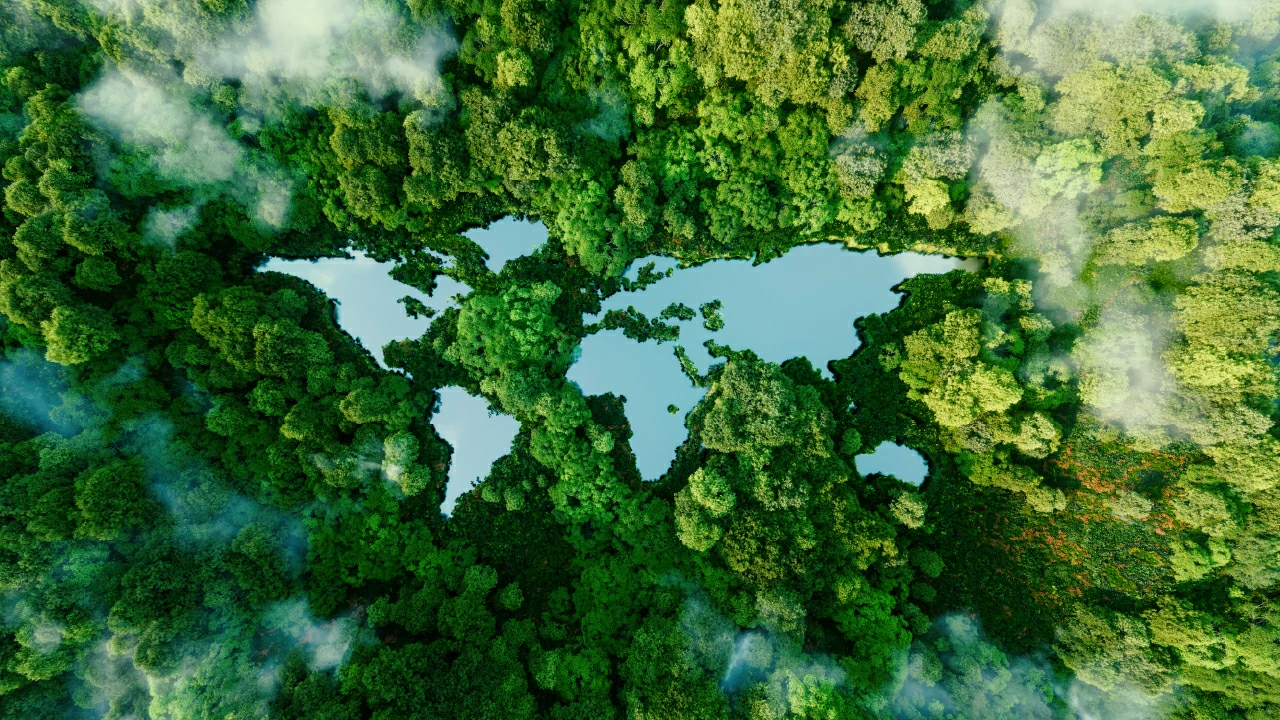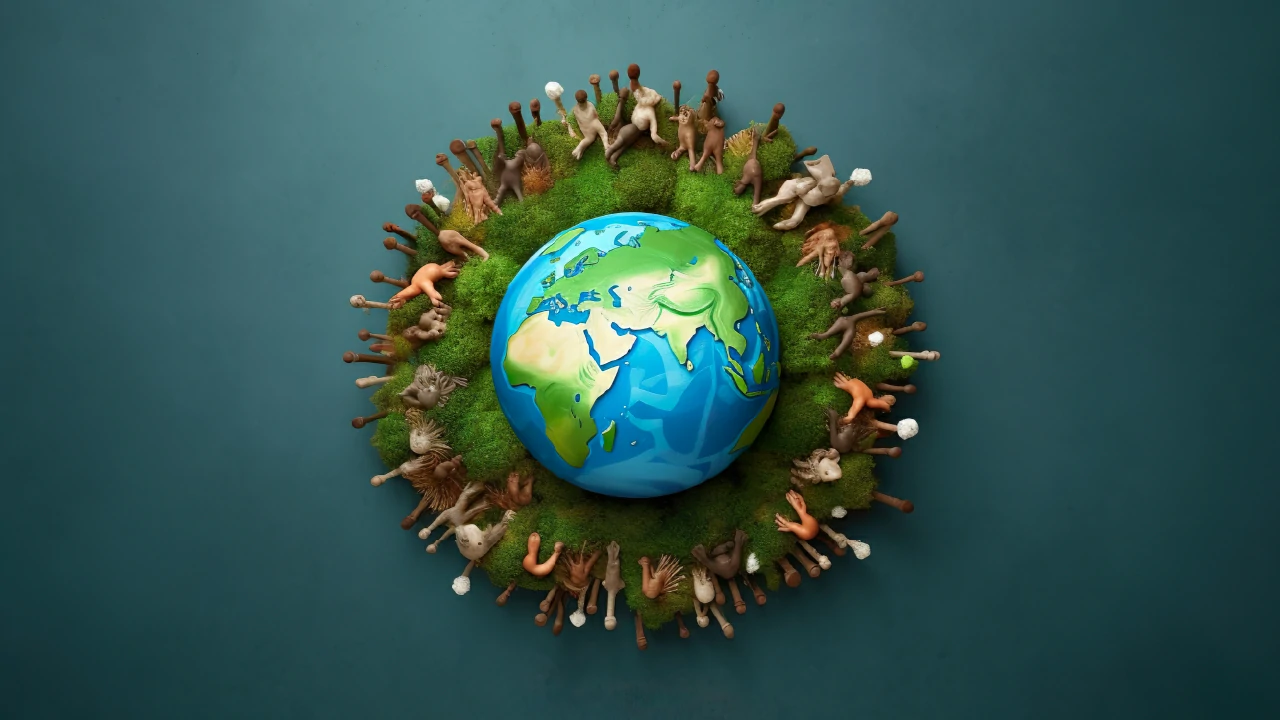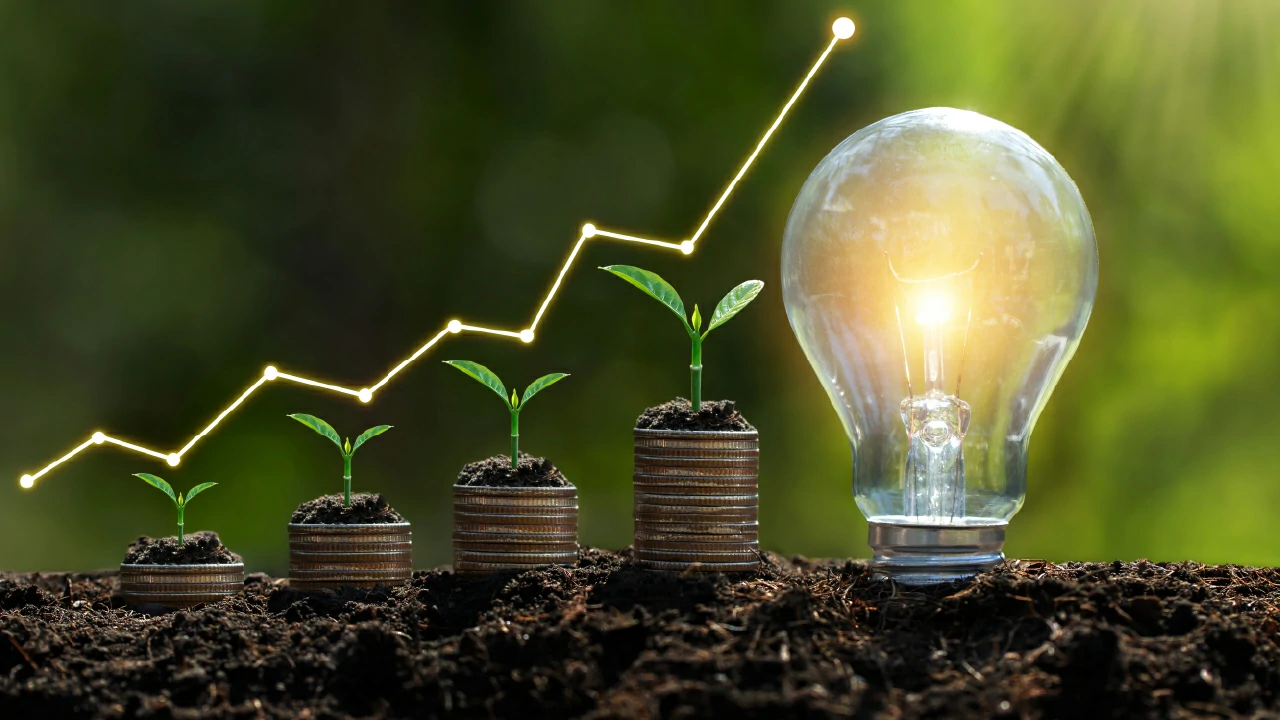

We live in a world of constant change and evolution. A world where every decision we make can make a significant difference. Among those decisions, there is one in particular that has the power to change the course of our societies and our planet: The choice to embrace economic sustainability. A concept that, although it may seem complex at first glance, is of vital importance to ensure a prosperous and resilient future.
Imagine a building for a moment. Its structure may be strong and robust, but without a solid foundation, its stability is a chimera. Just like that building, our economies need a solid foundation: one that can not only sustain them but also allow them to grow and flourish. in an equitable and environmentally friendly manner. That foundation is economic sustainability.
The path to economic sustainability is not one of convenience, but of necessity. An imperative journey to safeguard our planet, our society, and our economy. However, what does this term truly mean? How is it applied, and what implications does it have for us and for future generations? Are we ready to take on the challenge of implementing it?
We hope you will join us on this journey of exploration and learning. We invite you to delve into the exciting world of economic sustainability, unravel its secrets, and discover how it can be the key to responsible and sustainable development.
🗝️ Are you ready to open new doors in your career? Our Introduction to Continuing Education course is the key you need. Open your new doors here.
Understanding Economic Sustainability
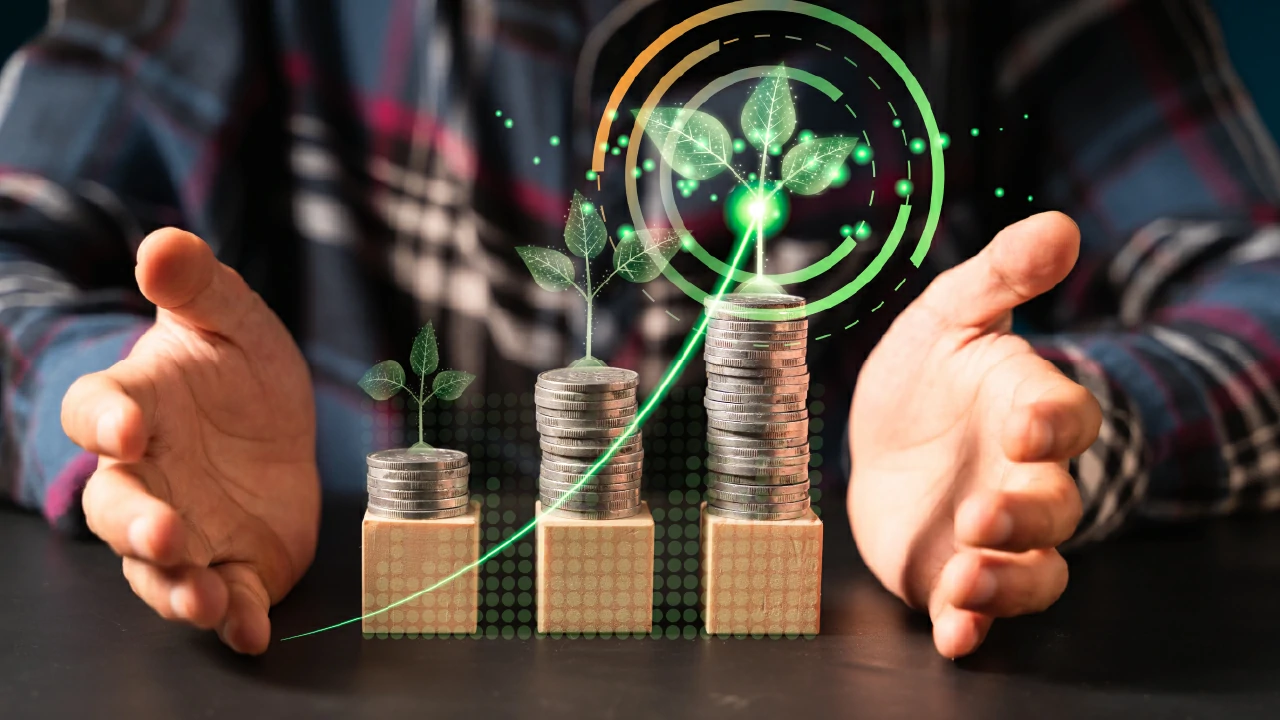
Light. Without a doubt, a vital element in our lives, indispensable for our existence. But have you ever stopped to think about how it works? Although it may seem magical to us, its mechanism is actually astonishingly simple. When we flip the switch, an electric current flows, illuminating the room in an instant. Thus, from darkness we emerge into light.
But what if we thought about the economy in similar terms? Imagine a switch. Not just any switch, but one that can turn on economic sustainability in our lives, in our businesses, and in our society. Flipping that switch would involve changing the way we conceive of and manage the economy, bringing social and environmental responsibility to the forefront, alongside financial stability.
The concept of economic sustainability is like that switch. It is not an overnight change, but a gradual and conscious transition towards economic practices and policies that seek a balance between financial prosperity, social justice, and environmental integrity. It is understood that, like a tripod, our economy needs these three pillars to remain stable and resilient.
Examples of economic sustainability are as diverse as the forms of life on our planet. We could think of a local business that, by choosing suppliers from its own region, reduces its carbon footprint and, at the same time, boosts its community's economy. Or perhaps a large corporation that decides to invest in renewable energy, decreasing its greenhouse gas emissions and generating employment in an innovative and sustainable sector. Or maybe, you yourself, by choosing products with ecological or fair trade certifications, are contributing to a more sustainable economy.
This path to economic sustainability is like a game of chess. It requires strategy, anticipation, and, above all, a deep understanding of the board before us.. Only then can we chart the path to checkmate, to an economy that is not only prosperous, but also fair and sustainable.
Now that we understand economic sustainability better, will you join us in this challenge? Because yes, each of us, from our sphere of influence, can help flip this switch. Let's move forward, let's explore this fascinating path towards economic sustainability more deeply.
The difference between economic sustainability and sustainable development

Imagine for a moment that you are a driver. The destination is sustainable prosperity, and the vehicle you are driving is your organization or company. To reach your destination, you have two maps at your disposal, two strategic guides. One is called «economic sustainability,» the other «sustainable development.» At first glance, they may seem identical, but closer observation reveals subtle differences.
Economic sustainability It's the map that shows you the path to follow so that your vehicle, your organization, doesn't run out of fuel. This map guides you in finding a balance between financial growth, social well-being, and environmental protection. It shows you how to keep moving forward without compromising your ability to continue the journey in the future. It tells you how to efficiently manage resources, minimize waste, increase productivity, and create economic, social, and environmental value.
Among the characteristics of economic sustainability, its long-term focus, commitment to innovation and efficiency, and emphasis on creating shared value stand out. This map shows you how to thrive in a world increasingly aware of environmental and social challenges.How to be a leader and not just a follower in this new sustainable economy.
On the other hand, the map of Sustainable development It's a bit broader. It not only shows you how to keep your vehicle running, but also how to make all traffic more sustainable. This map takes into account not only the economy, but also society and the environment as a whole. It shows you how, through your journey, you can contribute to eradicating poverty, combating inequality, protecting the environment, and promoting peace and justice.
So, which of these maps should you follow? The answer is: both. The path to sustainable prosperity requires both economic sustainability and sustainable development. The first ensures your vehicle can keep going without depleting its resources, while the second shows you how to contribute to a better world with every mile you drive.
So, are you ready to get behind the wheel and embark on this exciting journey toward sustainability? Let's continue exploring how you can do it!
🧠 Are you ready to nourish your mind with innovative knowledge? Our Introduction to Continuing Education course is the nourishment you need. Nourish your mind here.
Key pillars of economic sustainability
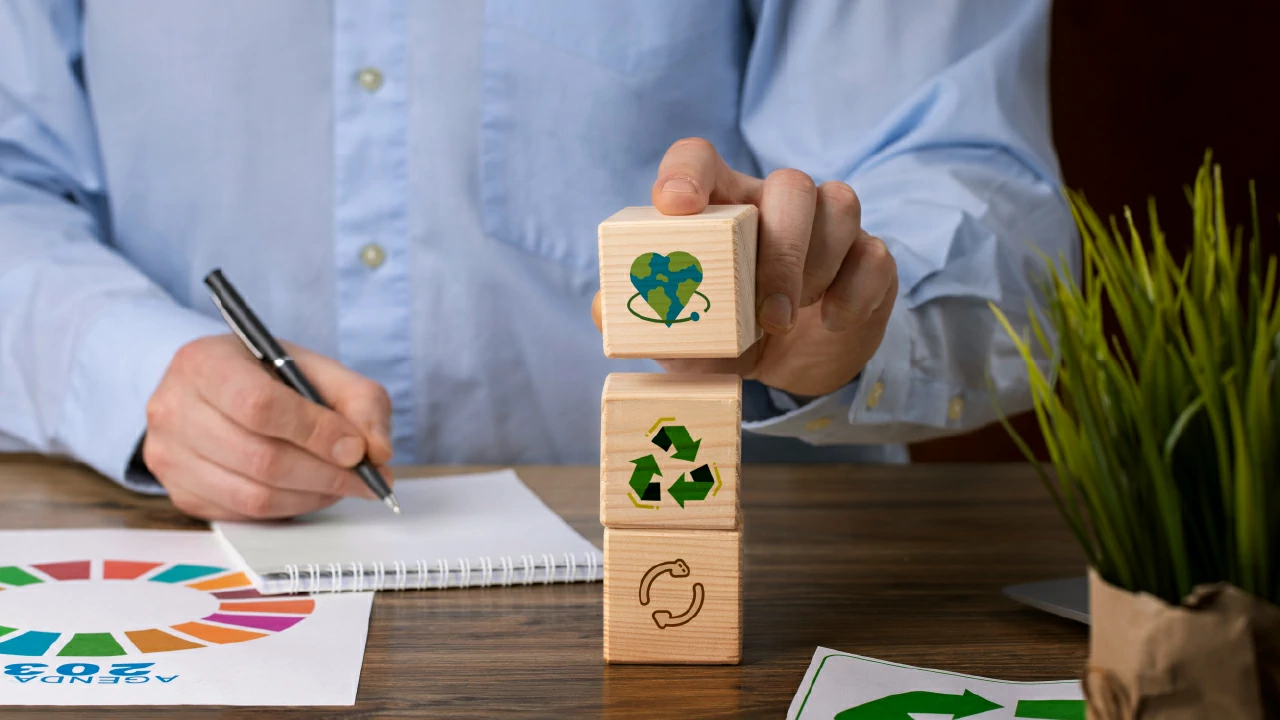
Imagine for a moment an ancient temple. Majestic in its splendor, it has withstood the test of time. Why? Because it stands on three strong and balanced pillars. This temple is a metaphor for economic sustainability, and its three pillars represent the crucial elements of economic, social, and environmental sustainability.
First of all, we have the economic pillar. Economic sustainability is like the master craftsman who sculpts the pillar with precision, carefully balancing the need for economic growth with the limitations of available resources. Here, efficiency in resource use, innovation, and value creation are examined to ensure the long-term survival and success of organizations.
At the heart of the structure we find the social pillar. social sustainability It focuses on the impact of organizations on society. It addresses issues such as equity, inclusion, justice, and social well-being. It's about building strong relationships with stakeholders., to ensure mutual respect and benefit, and to promote a culture of responsibility and ethics.
Finally, but no less importantly, is the environmental pillar. As a guardian of nature, environmental sustainability is concerned with minimizing the negative impact of operations on the environment. This involves the efficient management of natural resources, minimizing pollution, and protecting biodiversity.
Each pillar has its importance and, together, they support the temple of sustainability. However, the true strength lies in their interconnection. Like the cables of a suspension bridge, each pillar is reinforced and complemented by the others. That's the beauty of economic, social, and environmental sustainability: understanding that all these aspects are interrelated and that each is vital for long-term success.
Remembering this temple and its pillars the next time you reflect on your sustainability strategies will help you maintain a balanced approach and build a solid foundation for a prosperous and sustainable future. So, are you ready to become a master artisan of sustainability? Let's get started sculpting!
Why is Economic Sustainability essential in our current world?
Imagine yourself as a captain navigating the infinite oceans of global trade. Without a lighthouse to guide your way, you could end up lost, facing unforeseen financial storms and shifting market currents. That lighthouse, that true north on your business compass, is economic sustainability.
But why is economic sustainability essential in our current world? Imagine a world without it. It would be like a garden without a gardener, where flowers wilt and weeds spread. Without economic sustainability, businesses would disappear, jobs would be lost, and economies would collapse. However, with economic sustainability as a guide, Companies can flourish and prosper, creating an ecosystem of sustained growth and shared benefits.
Allow me to tell you a short story. A few years ago, a startup company decided to implement a strategy focused on economic sustainability. At first glance, it seemed like a more expensive and complicated approach. But, determined to be a model of economic sustainability for a company, they stayed firm on their path. They optimized their processes, adopted environmentally friendly business practices, and worked to build lasting relationships with their stakeholders.
As time went on, something surprising happened. They not only survived, but thrived. By focusing on economic sustainability, they secured a place in the economy of the future. They demonstrated that a commitment to economic sustainability is not only good for the planet but also for business.
This isn't just a story; it's a reality being lived in different corners of the business world. It reminds us that the decisions we make today determine the world we will live in tomorrow. And you? Are you ready to light your beacon and navigate towards a future of economic sustainability? It's time to set sail and begin the journey. In the oceans of commerce, every captain has the power to chart a course towards a more sustainable future. Let's set sail for that horizon!
🔮 Want to be prepared for the future of education? Our Introduction to Continuing Education course will give you a clear overview. Prepare for the future today.
Impact of economic sustainability on society

Let's visualize a blank canvas, an untouched land ready to be transformed by the magic of a project. Each project is a brushstroke on this canvas, leaving its unique mark and coloring the landscape of our societies. But what happens if that brushstroke isn't sustainable? It will fade over time, erasing the richness it once brought. That's why it's crucial that every project, every brushstroke on our social canvas, is founded on the principles of economic sustainability.
Consider the impact of economic sustainability on society. Paint a picture of prosperity, where every project contributes to a better future. When economic sustainability is the brush with which projects are painted, they create a vibrant and lasting world. They foster quality jobs, nurture innovation, and build resilient communities.
To better understand this, let's look at a real-world example. In a small mountain town, a group of entrepreneurs decided to open an eco-tourism company. Instead of simply seeking short-term profit, they focused their strategy on the economic sustainability of a project. They invested in local training, established partnerships with local suppliers, and implemented environmentally friendly practices.
By adopting economic sustainability, they transformed the community. They created jobs, boosted local commerce, and fostered a harmonious relationship with the natural environment. This project, which began as a simple idea, became a pillar of development for the entire town.
This is the power of economic sustainability: it's the golden thread that links every project to the fabric of society. And are you ready to take that brush? Are you prepared to paint your project with the bright, lasting colors of economic sustainability? Remember, every brushstroke counts. Together, we can create a mural that reflects a sustainable and prosperous society. So, let's get to work!
Environmental benefits of a sustainable economy
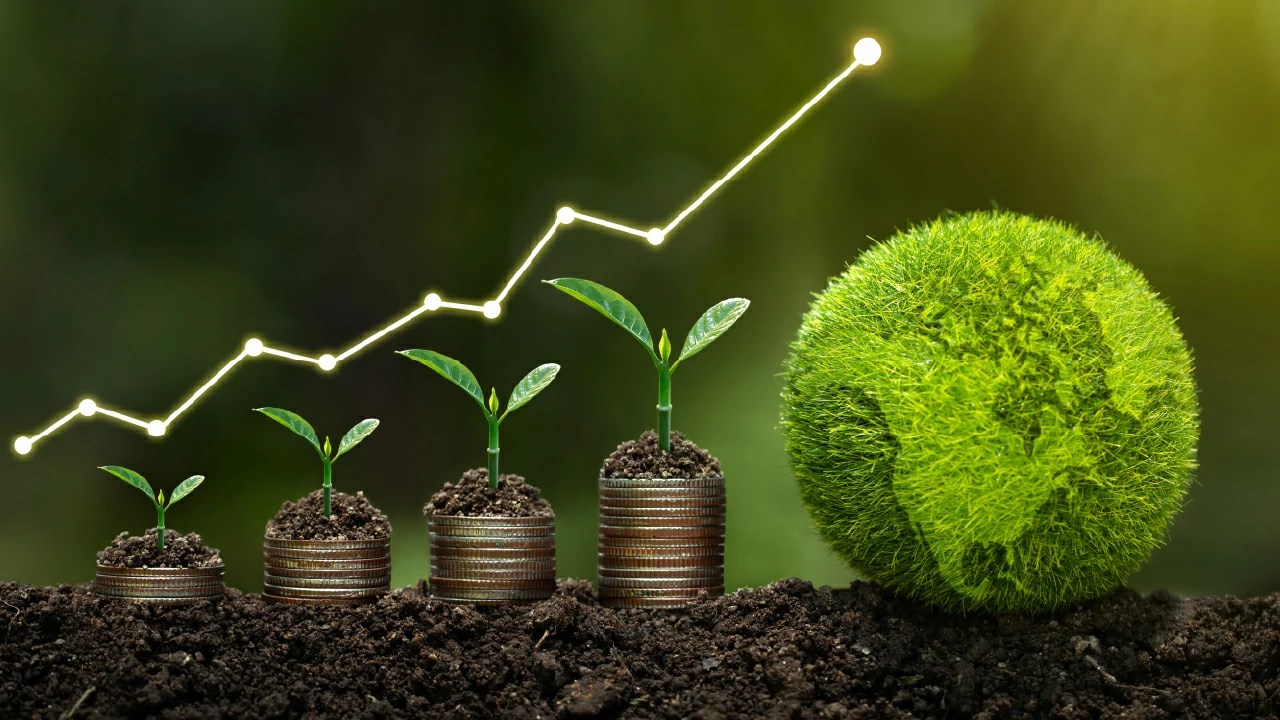
Have you ever stopped to contemplate the beauty of a forest or the majesty of an ocean and wondered how we could do more to protect these natural treasures? Economic sustainability offers us an answer to this question. By balancing today's needs with those of tomorrow, economic sustainability allows us to create a world where both people and the planet can thrive.
Now, imagine a symphony, with each instrument representing a part of nature. The violins could be the rivers, the percussion the forests, and the piano could be the wind. However, this symphony can only be truly beautiful if all the instruments are in harmony. Similarly, economic sustainability allows us to orchestrate a symphony where economic and environmental needs are balanced in a harmonious melody.
Think of a project that considers economic sustainability at its core. This project not only provides economic benefits but also respects and protects the environment. Like a melody that rises and falls in perfect harmony, the economic sustainability of a project creates a balance between the economic and the ecological.
For example, a solar energy project not only offers a renewable energy source, but also reduces dependence on fossil fuels, decreases greenhouse gas emissions, and promotes job creation in an emerging and sustainable sector. This project, orchestrated with the rhythm of economic sustainability, becomes a melody that creates a brighter, greener future.
Through this lens, we see that economic sustainability is not only essential for our societies but also vital for the care of our planet. It allows us to orchestrate a symphony that will resonate for future generations, a melody of prosperity, equity, and respect for our natural world. And you, are you ready to become the conductor of this symphony of sustainability? How will you incorporate economic sustainability into your own projects to ensure a brighter, greener future?
💼 Want to boost your skills for the professional world? Our Introduction to Continuing Education course will provide you with the knowledge to excel. Boost your career here.
Economic sustainability and its role in poverty eradication
Here we are, in the heart of the fight against poverty, where economic sustainability acts as a silent hero. Through a slightly distorted lens, we might be tempted to see economic sustainability only in terms of income and expenses. But its true value lies in its ability to transform lives and communities.
The economic sustainability of a project can be the light at the end of the tunnel for those trapped in the cycle of poverty. Imagine, for a moment, a community food cultivation initiative. This initiative not only offers a livelihood but also cultivates self-sufficiency, boosts the local economy, and sows the seeds of financial stability. This is how economic sustainability fights the good fight against poverty.
As we delve into the labyrinth of sustainable economic strategy, we find a series of innovative tools. Financial inclusion, for example, seeks to democratize access to essential financial services, empowering individuals to take control of their own economic well-being. Inclusive business models seek to merge profitability with positive social impact, creating a virtuous cycle of growth and development.
The eradication of poverty is not a mission for the faint of heart. It requires determination, innovation, and above all, economic sustainability. Because when we establish solid economic foundations, we are building a springboard to a brighter future, not just for individuals, but for society as a whole. So, if you wish to be an agent of change, it's time to consider economic sustainability not as an end in itself, but as a strategy for a more just and equitable world.
Economic Sustainability and the Business World

Have you ever seen a tightrope walker in action, swaying across a wire, their life depending on delicate balance? Have you ever wondered how they stay calm, how they sway with precision, how they manage to reach the other side without falling? Just like the tightrope walker, modern companies find themselves on their own tightrope: balancing economic sustainability with profitability.
The days of companies only focusing on the bottom line are behind us. Today, economic sustainability has entered the business world stage, shifting the focus from short-term profits to a long-term strategy that seeks to ensure the future of companies and the world in which they operate.
Consider, for example, a company that decides to invest in renewable energy. At first, the cost of the investment may be high, but in the long run, the company will reduce its energy expenses, decrease its carbon footprint, and strengthen its image with customers and shareholders who increasingly value sustainable practices. This is where the economic sustainability of a project becomes relevant.
But how does a company walk the tightrope of economic sustainability without losing its balance? The key lies in strategy. Business leaders must make informed and strategic decisions that consider not only the short-term economic impact but also the long-term implications. for the economic sustainability of the company and the planet.
Leaders must ask themselves: how will this decision affect our company in five, ten, or even twenty years? How will it help us advance toward our sustainability goals? How will it position us in the market? Answering these questions helps companies develop robust strategies that balance present demands with future needs.
If companies are tightrope walkers, economic sustainability is the tightrope they walk on. But with a clear vision, a solid strategy, and unwavering determination, they can maintain their balance and reach the other side, securing their own future and that of the world around us. And you, are you ready to walk the tightrope of economic sustainability?
Economic sustainability refers to the long-term viability of a business model. It's about generating profits while also considering the environmental and social impacts of operations. Businesses that prioritize sustainability often find it leads to increased efficiency, cost savings, improved brand reputation, and stronger customer loyalty. This can include initiatives like reducing waste, conserving energy, sourcing materials ethically, and investing in community development. Economic sustainability, therefore, is not just about short-term financial gains but also about building a resilient and responsible business for the future.

Let's think of business like a sturdy, slow-growing tree. A tree that needs soil nutrients, water, and sunlight to grow strong and resilient. Economic sustainability works similarly: it's the water, nutrients, and sun that feed a business so it can grow and thrive in the long term.
Economic sustainability relates to businesses through three key elements: financial viability, social responsibility, and environmental stewardship. Much like the essential triad of water, nutrients, and sun for a tree, these three elements interact and mutually reinforce each other within the business context.
First of all, financial viability is about ensuring a business can generate enough revenue to cover its expenses and continue operating in the future. It's like water for a tree: essential for life and survival. However, financial viability is not enough on its own.
That's where social responsibility comes in. It is a business's commitment to its employees, customers, and the community at large. Just as a tree provides shade and shelter to the creatures that live in and around it, a socially responsible company provides benefits to all those it touches.
Finally, Environmental management means ensuring that a business minimizes its negative impact on the environment. Just as a tree absorbs carbon dioxide and releases oxygen, a company with good environmental management contributes to the health and well-being of our planet.
Therefore, the economic sustainability of a project cannot be considered independently of the business environment in which it is located. It must be imbrued in every decision, from strategic planning to daily operations. And just as a tree needs water, nutrients, and sun to thrive, a business needs a balanced approach to financial viability, social responsibility, and environmental stewardship to be truly sustainable.
🎈 Are you ready to let your career take off? Our Introduction to Continuing Education course will give you the boost you need. Take the leap today.
Implementation of Economic Sustainability in Organizations
Imagine you're on a sailboat, wind in your hair, and the infinite horizon before your eyes. What is your role on this journey? Yes, you are the captain. You cannot control the wind or the currents, but you can adjust the sails and set the course. Just like a captain, An organization must navigate the sea of economics, adjusting its strategies to changing circumstances and charting a course towards economic sustainability.
Embarking on this journey requires serious commitment, careful planning, and meticulous execution. The first step is to create a vision of economic sustainability for your organization. What does a sustainable future look like for you? How can you contribute to creating a more prosperous and equitable world?
Once you have a vision, it's time to develop a strategy to achieve it. This strategy must include clear and measurable goals and be integrated into all areas of your organization. From the board of directors to the last employee, everyone must be aligned with the sustainability strategy.
The economic sustainability of a project is not an add-on, but a business philosophy that must be adopted from the beginning. This means considering economic sustainability in all decisions, from choosing suppliers to managing human resources.
Furthermore, it is essential to establish tracking metrics. Just as a captain uses navigation instruments to check their course, an organization needs tools to measure its progress toward sustainability. These metrics can include profitability indicators, resource efficiency, staff satisfaction, community impact, and many others.
Implementing economic sustainability can be a challenging, yet profoundly rewarding journey. Just like a captain reaching shore after a long voyage, organizations that embrace sustainability will find safe harbor in an ever-changing world. Not only that, but they will also become beacons of light, showing the way towards a more sustainable future for all.
So, are you ready to embark on this adventure towards economic sustainability? Are you willing to take the helm and steer towards a more prosperous and equitable future? Remember, the wind may be uncertain, but the captain can always adjust the sails.
Core Principles for Successful Implementation
The success of economic sustainability is similar to preparing a gourmet recipe. Each ingredient has its own purpose, and each step of the recipe is essential to achieve the final result. Now, what are these ingredients? What are the steps to successfully implement economic sustainability in a project? Allow me to share the fundamental principles with you.
First, let's put the essence of long-term vision into our cauldron. In a sustainable economy, the time horizon extends beyond the next quarter. It's about anticipating and preparing for the challenges and opportunities of the coming decades, not just the next fiscal year.
Secondly, we add a pinch of adaptability. Circumstances change, sometimes rapidly and unexpectedly. An effective economic sustainability strategy can adapt to these changes while maintaining a long-term vision.
The third ingredient is a good measure of participation. Team members, shareholders, customers, and the community at large all have a role in sustainability. The inclusion of diverse perspectives can enrich the sustainability strategy and increase its acceptance.
The fourth element is measurement and tracking. How do we know if we are making progress towards our sustainability goals? We need clear indicators and robust methods to measure our progress.
Finally, in our recipe, the ingredient of commitment and consistency cannot be missing. This is not a short-term project or a marketing campaign, it is a long-term commitment to a more sustainable way of doing business.
🌎 Want to expand your academic horizons? Our Introduction to Continuing Education course is your gateway to the world of lifelong learning. Broaden your horizons now.
The future of economic sustainability
Imagine yourself as a 15th-century explorer. The world as you know it is about to change, and you are at the bow of the ship, sailing towards the unknown. In many ways, the future of economic sustainability resembles this scenario. We don't know for sure what awaits us, but we know that what we do now will affect the course of our journey.
Now, you might be wondering, what does this future look like? I can promise you it will be vibrant and full of unexplored opportunities. Economic sustainability is like a blank canvas, waiting to be filled with brilliant innovations and transformative solutions. The economic sustainability of a project will no longer be a competitive advantage, but a basic expectation.
This future demands courage. It will require leaders willing to challenge the status quo, explore new ideas, and take risks. But it will also require compassion, as economic sustainability is not just about balance sheets and black and red ink, but about people's lives and the well-being of our communities.
The successful implementation of economic sustainability will depend on our ability to adapt and learn. As with any great journey, there will be obstacles and setbacks. But every challenge is an opportunity to grow and improve.
Above all, this future will be co-created. Each of us has a role to play in shaping this new world. From the CEO to the new hire, from the entrepreneur to the investor, we all share a responsibility to shape economic sustainability.
Innovations and trends in economic sustainability
Like a flash of light breaking through a dense forest, innovations and trends in economic sustainability are making themselves known, guiding our path towards a promising future. It's no longer just about the basic foundations of profitability and productivity; Economic sustainability has become an ecosystem of unlimited possibilities.
Let's think about the concept of the ‘circular economy.’ This is a trend that reimagines how we do business, moving from a ‘take, make, dispose’ mentality to one of ‘recycle, reuse, reduce.’ In the not-too-distant future, The economic sustainability of a project could be intrinsically linked to its contribution to a product's life cycle, its reuse, and its recycling.
And what about disruptive technologies? Blockchain, artificial intelligence, the internet of things; all these advances are redefining how we think about economic sustainability. These technologies are not only changing the way we operate, but also providing new ways to measure and track our impact.
But let's not forget the most important trend of all: people. Organizations are beginning to understand that economic sustainability cannot exist without considering the human well-being. Wage equity, fair working conditions, and access to opportunities are all crucial elements for ensuring long-term economic sustainability.
Finally, let's view collaboration as a vital trend. In this ocean of change and uncertainty, no single entity can navigate alone. Collaboration between businesses, governments, NGOs, and citizens will be essential to achieve economic sustainability.
So, how will you adapt to these trends? How will your plans and strategies change to reflect these new developments in economic sustainability? In this new horizon, true innovation will not simply be about following trends, but about anticipating them, being bold, and daring to set the pace.
Frequently Asked Questions

- What is economic sustainability?
- Economic sustainability refers to the ability of a system, whether it be a business, a community, or a nation, to maintain its productivity and profitability over the long term. This concept involves balancing growth and prosperity with social and environmental responsibility.
- Economic sustainability refers to the ability of an economy to support a defined level of economic production indefinitely. In simpler terms, it means conducting business and economic activities in a way that can continue long-term without depleting resources or causing irreparable harm to the environment or society.
Here are some examples of economic sustainability:
* **Circular Economy Models:** Instead of a linear "take-make-dispose" model, a circular economy focuses on reusing, repairing, and recycling products and materials. This reduces waste and the need for new resource extraction.
* *Example:* A clothing company that offers repair services for its garments, or a furniture manufacturer that uses recycled materials and designs products for easy disassembly and reuse.
* **Investing in Renewable Energy:** Shifting away from fossil fuels to renewable energy sources like solar, wind, and geothermal power reduces reliance on finite resources and mitigates climate change.
* *Example:* A country investing heavily in wind farms and solar panel production, or a business powering its operations with renewable energy contracts.
* **Sustainable Agriculture and Resource Management:** Practices that maintain soil health, conserve water, and protect biodiversity ensure that food and natural resources can be produced for future generations.
* *Example:* Farmers practicing crop rotation, using organic fertilizers, and implementing water-efficient irrigation systems. Companies investing in sustainable forestry or responsible fishing practices.
* **Green Building and Infrastructure:** Designing and constructing buildings and infrastructure with energy efficiency, water conservation, and sustainable materials in mind.
* *Example:* LEED-certified buildings that use less energy and water, or cities investing in public transportation and bicycle lanes to reduce vehicle emissions.
* **Fair Labor Practices and Ethical Supply Chains:** Ensuring that workers are paid fair wages, have safe working conditions, and that products are sourced ethically. This contributes to social equity, which is a key component of long-term economic stability.
* *Example:* Companies that audit their suppliers to ensure fair labor standards, or businesses that prioritize sourcing from local and ethical producers.
* **Innovation in Sustainable Technologies:** Developing and adopting technologies that reduce environmental impact and improve resource efficiency.
* *Example:* The development of electric vehicles, biodegradable plastics, or carbon capture technologies.
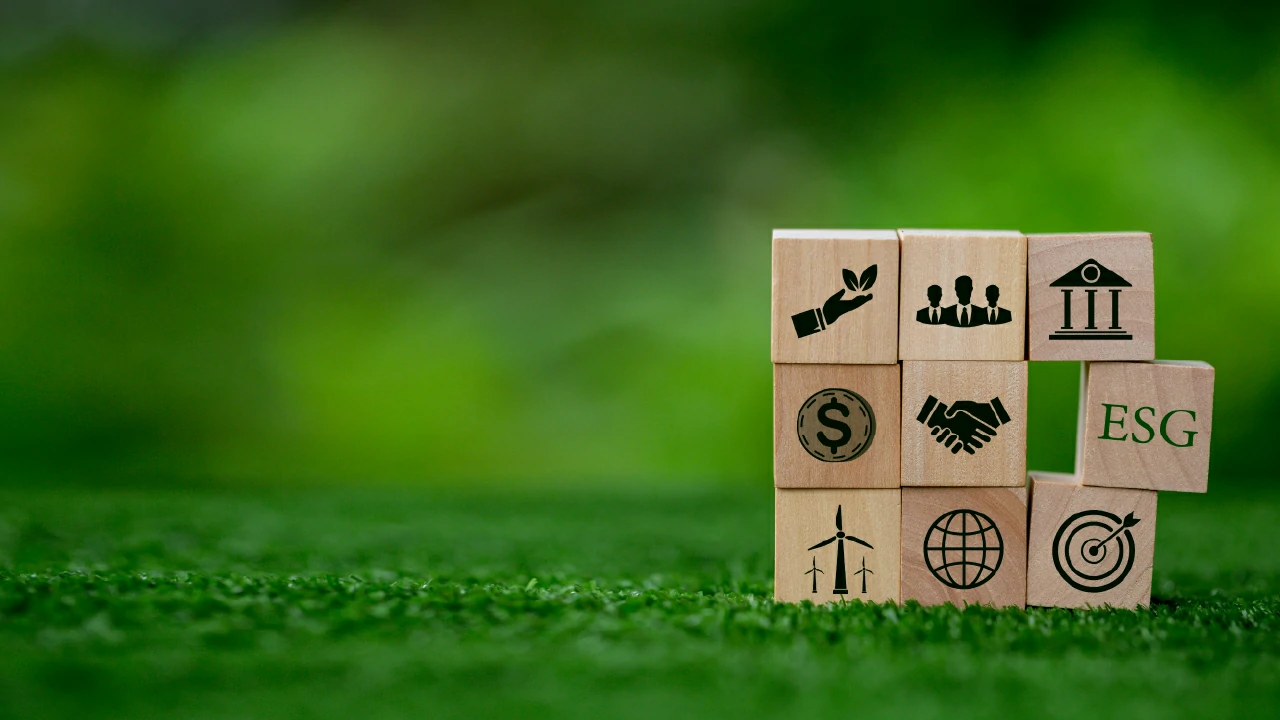
* **Responsible Investment (ESG):** Investors considering Environmental, Social, and Governance (ESG) factors when making investment decisions, which can steer capital towards more sustainable businesses and projects.
* *Example:* Investment funds that focus on companies with strong sustainability records, or shareholders filing resolutions to encourage companies to adopt more sustainable practices.
* **Long-Term Business Planning:** Businesses that integrate sustainability into their core strategy, looking beyond short-term profits to consider the long-term viability of their operations and their impact on the wider world.
* *Example:* A company setting ambitious goals for reducing its carbon footprint over the next decade and investing in the necessary research and development to achieve them.
These examples illustrate how economic activities can be conducted in a way that is not only profitable but also environmentally responsible and socially equitable, ensuring prosperity for the present and future.
- Some examples of economic sustainability include companies implementing recycling and reuse policies to reduce their costs and environmental impact; communities supporting local businesses to sustain the local economy; and countries promoting economic equity and inclusion to ensure long-term sustainable growth.
- How is economic sustainability achieved?
- Economic sustainability is achieved through a balanced approach that includes factors such as profitability, social impact, and environmental care. This can involve practices such as waste reduction, improved efficiency, investment in innovation, workplace equity, and environmentally responsible decision-making.
- How is sustainability applied in Colombia?
- In Colombia, sustainability is applied in various ways. The country is implementing policies to promote renewable energy, reduce carbon emissions, and conserve biodiversity. Additionally, many Colombian companies are adopting sustainability practices, such as corporate social responsibility and the circular economy, to contribute to sustainable economic growth.
- Economic sustainability refers to the ability of a business or economy to maintain its financial viability over the long term. There are several key aspects to economic sustainability:
* **Profitability:** This is the most direct measure of economic sustainability. A business or economy must generate sufficient revenue to cover its costs and produce a surplus. This allows for reinvestment, growth, and resilience in the face of economic downturns.
* **Efficiency:** Operating efficiently means minimizing waste of resources (time, money, materials) and maximizing output. This can involve streamlining processes, adopting new technologies, and effective management.
* **Competitiveness:** In a globalized market, businesses and economies need to be competitive. This means offering products or services that are desirable to consumers, at prices they are willing to pay, and with quality that meets or exceeds alternatives.
* **Innovation and Adaptability:** The economic landscape is constantly changing. Sustainable entities must be able to innovate and adapt to new technologies, market trends, consumer preferences, and regulatory environments.
* **Financial Stability and Resilience:** This involves managing debt responsibly, maintaining adequate cash reserves, and having strategies in place to withstand economic shocks or crises. Diversification of income streams and markets can also contribute to resilience.
* **Long-Term Investment:** Sustainable economic activity requires investment in the future. This can include investment in research and development, infrastructure, human capital (training and education), and sustainable production methods.
* **Fair Competition:** A healthy economic system relies on fair competition, where businesses can succeed based on merit rather than unfair advantage or monopoly power. This encourages innovation and benefits consumers.
* **Ethical Practices:** While not strictly financial, unethical practices (corruption, exploitation) can undermine long-term economic sustainability by damaging reputation, leading to legal issues, and eroding trust.
These types are interconnected. For example, an efficient and innovative company is more likely to be profitable and competitive. A stable economy with fair competition and ethical practices can foster long-term investment and growth.
- Economic sustainability can be classified into several types, depending on the approach taken. These include: operational sustainability, which refers to a company's ability to maintain its operations in the long term; financial sustainability, which involves generating sufficient revenue to cover expenses and reinvest in growth; and socioeconomic sustainability, which takes into account both the profitability and the social and environmental impact of economic activities.
🌱 Are you looking for ways to grow professionally? An Introduction to Continuing Education could be the seed for your growth. Plant your seed of knowledge here.
Written and published by:
 Digital Momentum
The spark that ignites your online presence!