


In a world where virtual education has become a cornerstone of knowledge, the PACIE model emerges as a beacon of innovation and effectiveness. This holistic approach transforms not only how we teach and learn, but also how we connect and grow in digital environments.
By deploying its five components – Presence, Access, Capacity, Interaction, and E-Learning – the PACIE model establishes a new standard in online education, one that deeply resonates with the challenges and opportunities of our time. Here, at this turning point in educational history, we will explore how this model is redefining paradigms and enriching the learning experience for educators and students alike.
With a focus on leadership and academic management, we will unravel the secrets of the PACIE model, revealing its potential to revolutionize virtual education.
Take a qualitative leap in your career. Our course offers you the tools to improve continuing education and build strong relationships with the business sector. Transform your educational approach now!

As we delve into the Introduction to the PACIE Model, we venture into a realm of educational strategies that challenge traditional norms. This model is not just a theory; it is a strategic response to the emerging need for more interactive, accessible, and adaptable learning.
At its core, the PACIE model is rooted in the premise that online education should be as dynamic and engaging as the world around us.
Here, strategy becomes action. Each component of the model is a pillar supporting a broader structure of teaching and learning. These pillars are not static; they are flexible, adapting to the changing needs of students and educators, and responding to technological and methodological advances.
In this exploratory journey, we will break down how the PACIE model integrates these strategies to create meaningful and transformative learning experiences, preparing students not only to face the present but to shape the future.
The Need for Innovation in Virtual Education
It is essential to recognize how digitization has altered our expectations and learning experiences. In this era, pedagogical rigidity is no longer viable; fluidity and adaptability are fundamental. Here, the PACIE model not only responds to this need, but anticipates it, providing a framework that encompasses both flexibility and depth.
Innovation in virtual education is no longer an option, but an imperative necessity. Faced with a diverse and technologically skilled global audience, teaching strategies must be equally dynamic and insightful. The PACIE model, with its focus on personalized learning and technological integration, positions itself as a catalyst in this evolutionary process.
Through its application, not only is the quality of online learning improved, but it also redefines what it means to teach and learn in a digital world. This model is an invitation to rethink and reinvent, to break down conventional barriers, and to embrace a future of limitless educational possibilities.
📚 Elevate the quality of continuing education at your institution. Learn to create value and develop strategic relationships with companies. Sign up for our course and make a difference!
Key Components of the PACIE Model
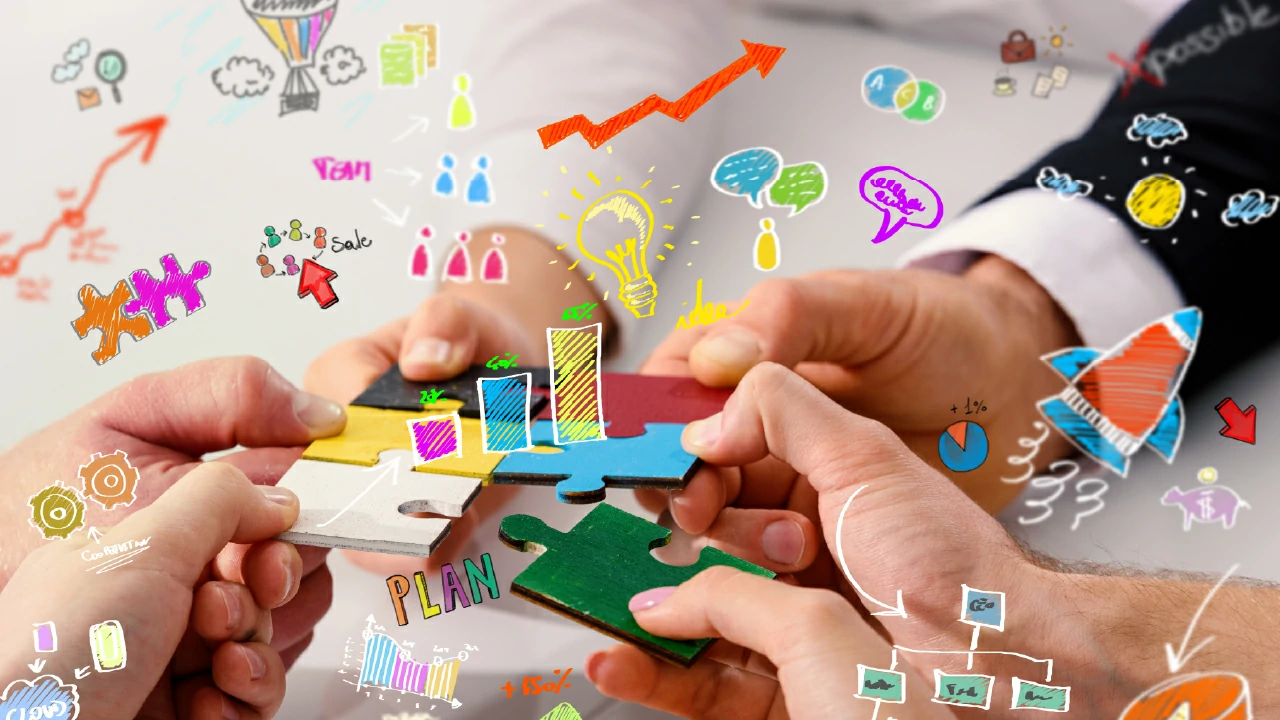
We discover the heart of your innovative strategy. Each component acts as an essential piece in the complex puzzle of online education, working together to create a holistic and effective learning experience. This model not only identifies the crucial aspects of virtual education but also interweaves them into a coherent and functional fabric.
In the following section, we will examine each of these components without defining them in detail yet, but it is crucial to understand that together they form an educational ecosystem. In this ecosystem, every element—from online presence to effective interaction—plays a vital role..
The PACIE model is not just about implementing teaching techniques; it's about forging a path toward deeper and more meaningful learning, where technology and pedagogy unite to overcome traditional boundaries. Through this exploration, we will reveal how each component contributes to a more resilient and adaptive educational system, preparing students for the challenges of tomorrow.
P – Presence: The Role of Human Interaction
At the core of the PACIE model, the «P» for Presence stands out as a crucial element, redefining the role of human interaction in virtual education. This component transcends mere physical presence, focusing on the quality of human connection and authenticity in the digital environment. In an era where screens often dilute personal interaction, the Presence in the PACIE model seeks to reclaim the essence of human contact.
The strategy here is clear: transform every virtual touchpoint into a meaningful and enriching experience. It's about humanizing online education, injecting warmth and personality into every interaction. Presence not only enhances the learning experience but also fosters a sense of community and belonging, essential aspects for keeping students engaged and motivated.
🤝 Want to be a leader in university-business interaction? Our course gives you the strategies to create effective and lasting connections. Start building bridges today!
A - Scope: Expanding Educational Horizons
The next pillar of the PACIE model, «S» for Scope, takes us into territory where education breaks down barriers and expands horizons. In this context, Scope is not limited to the mere dissemination of educational content; it is a carefully designed strategy to make learning accessible to a wider and more diverse audience, without sacrificing quality or depth.
The PACIE model recognizes that the digital world has erased geographical boundaries, allowing knowledge to flow freely beyond physical limitations. However, expanding reach isn't just about reaching more people; it's about connecting with them meaningfully. This involves adapting teaching methods to meet the needs of a global and heterogeneous student base, considering different cultures, languages, and educational contexts.
C – Training: Innovative Teaching Methods
Moving towards the «C» for Capacity Building in the PACIE model, we encounter a dimension that injects vitality and innovation into teaching methods. Capacity Building, in this context, is not just a transfer of knowledge; it is a revolution in how that knowledge is imparted, assimilated, and applied. In the PACIE model, training is transformed into a dynamic process, driven by methods that not only inform but also inspire and empower.
Here, the strategy is clear: reinvent teaching so that it resonates with a 21st-century audience. This means embracing advanced digital tools, gamification techniques, and interactive methods that transcend traditional lessons. The PACIE model emphasizes training that goes beyond the virtual classroom, equipping students with critical real-world skills, fostering critical thinking, creativity, and adaptability.
Transform your approach to continuing education. With our course, you'll discover how to take your projects to the next level through strategic collaboration with companies. It's time to innovate!
I – Interaction: Fostering Collaboration and Engagement
As we delve into the «I» of Interaction in the PACIE model, we immerse ourselves in an element that is the soul of online education: the construction of meaningful relationships and active engagement. In this model, Interaction is not limited to simple communication; It is a strategic pillar that drives collaboration, debate, and the exchange of ideas, which are crucial elements for deep and lasting learning.
In the virtual environment, the challenge is twofold: how to keep students connected and engaged without physical presence. The PACIE model addresses this challenge with a blend of technology and human pedagogy, utilizing interactive platforms and engagement techniques that transform the learning experience into a collaborative and enriching adventure. Here, interaction becomes a vehicle for shared discovery, exploration of perspectives, and the building of a strong and dynamic learning community.
E – E-Learning: Technologies and Platforms
Finally, the «E» of E-Learning in the PACIE model puts us at the forefront of educational technology, where digital platforms and tools are not just add-ons, but essential foundations of the learning process. In this model, E-Learning becomes a strategic scenario for innovation and efficiency, a place where technology aligns perfectly with pedagogical goals.
The PACIE model embraces E-Learning not just as a means to deliver education, but as an opportunity to reinvent it. Here, technologies and platforms are carefully selected and designed to enhance interactivity, personalize the learning experience, and provide unprecedented access to resources and knowledge. This strategic approach ensures that technology is used in a way that enriches the educational experience, rather than simply digitizing conventional methods.
Expand your vision in continuing education. Our course will teach you how to develop innovative and strategic educational projects with the corporate sector. Join us and change the game!
Impact of the PACIE Model on Today's Education

It is evident that this approach has generated a seismic shift in how we conceive and deliver online education. This model is not just a series of steps to follow; it is a strategic transformation that responds to and anticipates emerging educational trends. The PACIE model has redefined the parameters of virtual teaching, marking a milestone at the intersection of technology, pedagogy, and human experience.
This impact extends beyond improving methods and techniques; it's about a complete reinvention of the educational environment. Academic institutions and training companies have adopted this model, testifying to a notable increase in student engagement, retention, and success. The PACIE model has opened new avenues for personalized and adaptive learning, where each student can chart their own educational path in a digital environment that is both welcoming and challenging.
Changes in Pedagogy and Educational Methodology
Driven by the PACIE model, we identify several key transformations:
- Student-Centered Approach The PACIE model has driven a shift towards a more student-centered pedagogy, where individual learning needs and styles dictate how education is delivered.
- Advanced Technological Integration This model has fostered the integration of emerging technologies in teaching, using digital tools not just as delivery methods, but as active learning facilitators.
- Flexibility and Customization: It has promoted greater flexibility in teaching methods, allowing for deeper customization of content and learning pace to adapt to diverse student profiles.
- Collaborative Learning The PACIE model has revalued collaborative learning, encouraging interaction and the exchange of ideas, and strengthening online learning communities.
- Competency-Based Education There has been a shift towards competency-based teaching, where the acquisition of practical and applicable skills is considered as important as theoretical knowledge.
- Continuous and Constructive Evaluation Finally, the PACIE model has introduced more continuous and constructive evaluation approaches, focused on the student's long-term progress and development, rather than on point-in-time grades.
Each of these points highlights how the PACIE model is shaping a more dynamic, interactive, and personalized educational future.
🌟 Prepare to be a catalyst for change in education. Our course will open doors for you in strategic management for corporate continuing education. Register and start making an impact in academia and the business world!
Implementation of the PACIE Model in Institutions and Companies
It is crucial to follow a step-by-step approach to ensure a successful and effective transition. This process involves a series of well-defined stages:
- Needs Assessment Before implementing the PACIE model, it is essential to conduct a detailed analysis of the specific needs of the institution or company. This includes understanding the characteristics of the target audience, existing technological capabilities, and educational objectives.
- Staff Training One of the initial steps is the training of teaching and administrative staff. This ensures that everyone involved has a deep understanding of the PACIE model's principles and how to apply them effectively in their environment.
- Technological Integration Selecting and configuring the right technological tools is essential. This may include e-learning platforms, collaboration software, and other technologies that support the components of the PACIE model.
- Personalized Content Development The course content should be designed or adapted to align with the principles of the PACIE model, focusing on interactivity, personalization, and practical relevance.
- Pilot and Feedback Implementing a pilot phase with a small group allows for feedback collection and adjustments before a larger-scale rollout.
- Continuous Evaluation and Adjustment Once implemented, it is vital to continuously evaluate the impact of the PACIE model and make adjustments based on the results and feedback from students and educators.
By following these steps, institutions and companies can successfully integrate the PACIE model into their educational programs, ensuring an enriching learning experience that aligns with the demands of the modern world.
📈 Increase your influence in the education sector. Discover how to strengthen relationships with companies through our course. Make your institution a leader in continuing education!
 Digital Momentum
The spark that ignites your online presence!







Hello... Very good presentation of the PACIE methodology... Do we give credit to its creator?