
Continuing health education cannot keep pace with other sectors. The impact is not only professional; it is clinical, institutional, and, in many cases, life-threatening.
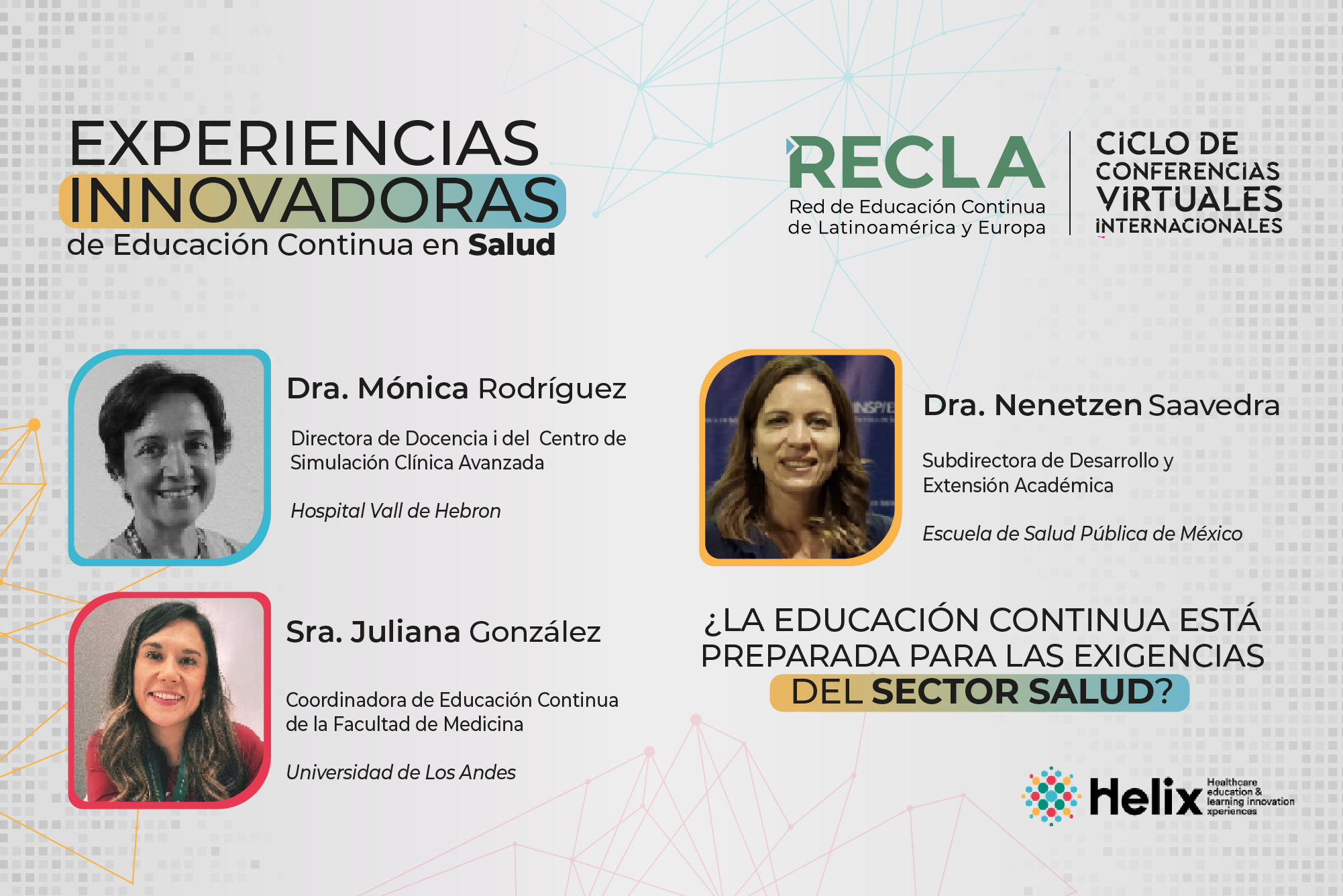
In our latest RECLA international conference series, together with HELIX, we discussed innovative experiences in continuing education in the healthcare sector, with perspectives from Mexico, Colombia, and Europe. More than just presenting best practices, this forum allowed us to observe something deeper, as the transformation of the training model in highly demanding contexts must be examined closely.
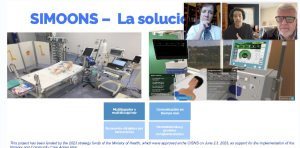
From Vall d’Hebron Hospital in Barcelona, Dr. Mónica Rodríguez shared the experience of the Advanced Clinical Simulation Center, where training is no longer limited to theoretical updates, but integrates simulated clinical scenarios, real-time decision-making, and competency assessment in controlled environments. Here, continuing education is directly linked to patient safety and quality of care.
Juliana González from the University of the Andes in Colombia explained how medical schools are rethinking the relationship between continuing education, specialization, and the needs of the healthcare system. She left out key questions such as: – What type of educational experience truly transforms clinical practice?, because it is not just about expanding the supply, but about responding to specific gaps in the healthcare environment.
And from Mexico, Dr. Nenetzen Saavedra, from the School of Public Health, focused on a “paradigm shift: from academic offering to learning ecosystem,” and on this development and academic extension as strategic instruments to strengthen institutional and territorial capacities.
There are at least three lessons that this meeting taught us:
1. Innovation is not just technological.
Clinical simulation, active learning methodologies, and hybrid environments are tools. Real innovation lies in how they are integrated into a training strategy aligned with the healthcare system.
2. Continuing health education requires coordination.
Hospitals, universities, colleges, and health authorities cannot operate in isolation. The impact depends on that coordination.
3. The quality standard is higher.
In healthcare, the margin for error is minimal. That's why processes, competency assessments, and ongoing professional development take on a structural, not an accessory, character.
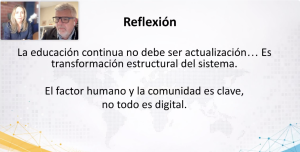
Spaces like this, linked to initiatives like HELIX Mexico, show that the conversation about continuing education must be strategic within institutions.
For RECLA, opening these dialogues between Latin America and Europe allows continuing education in critical sectors such as health to advance with criteria of quality, international cooperation and social responsibility.
And with this, we want to leave the following question for our entire community
Are we designing our continuing education models with the same rigor that the healthcare sector demands for results?
RECLA.