
The quality of continuing education programs depends largely on those who make them possible in the classroom. However, teaching in continuing education involves much more than selecting experts in a discipline. It also involves supporting, training, evaluating, and recognizing those responsible for creating relevant learning experiences for increasingly diverse audiences.
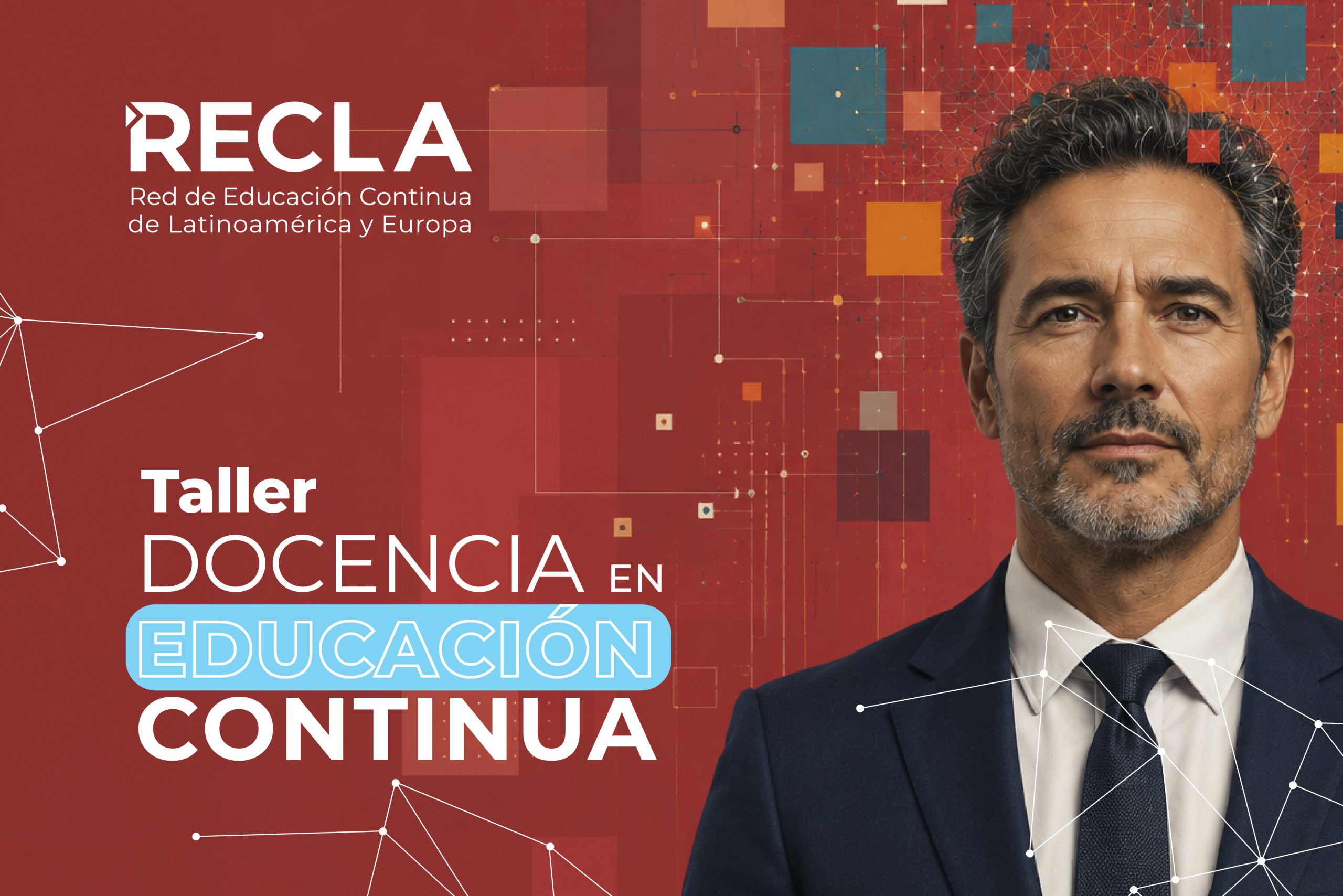
In our latest RECLA workshop, “Teaching in Continuing Education”, a space led by Óscar Estuardo Navas, Director of the Pan-American University of Guatemala, we brought together 29 directors and those responsible for continuing education from partner universities of the network to exchange experiences and reflect on the main challenges of teaching management.
During this session, which took place on June 12, work was done on four key topics: the selection and training of teachers, evaluation and feedback, didactic and methodological support, and the mechanisms for recognizing those who contribute to the development of continuing education.
One of the main criteria of the workshop focused on topics such as teacher management and experience, as this requires a holistic approach. Professional experience remains important, but today institutions are also seeking to strengthen pedagogical, digital, and methodological skills that enable them to respond to new ways of learning and teaching.
Regarding teacher selection and training, experiences were shared related to building more structured processes, using academic committees, implementing ongoing professional development programs, and developing strategies to strengthen institutional ownership among teachers involved in continuing education.
Another criterion we addressed was evaluation. Participants agreed on the importance of moving toward models that not only measure satisfaction but also generate useful information for continuous improvement. More effective surveys, timely feedback, and follow-up processes were some of the key elements highlighted during the discussion.
Didactic and methodological support was also fundamental to this workshop. Experiences were shared regarding the use of guides, advising, peer-to-peer learning spaces, and technological tools that support teachers before, during, and after their professional development processes.
Finally, the need to recognize and highlight the contributions of continuing education teachers was discussed. Beyond financial incentives, participants emphasized the importance of creating mechanisms that strengthen a sense of belonging, promote innovation, and recognize the value that teachers bring to institutions and their students.
This workshop achieved something very important for all participants and members of the continuing education community: we were able to identify common practices, challenges, and opportunities among institutions, reaffirming that strengthening teaching also strengthens the quality, relevance, and impact of continuing education.
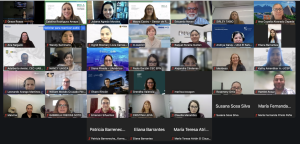
As the RECLA learning community, we continue to promote exchange spaces that allow our partners to learn from each other and continue building responses to the challenges facing continuing education in the region.
RECLA.