
What happens when administrative and financial management ceases to be seen as a support area and begins to occupy a place in Continuing Education decisions?
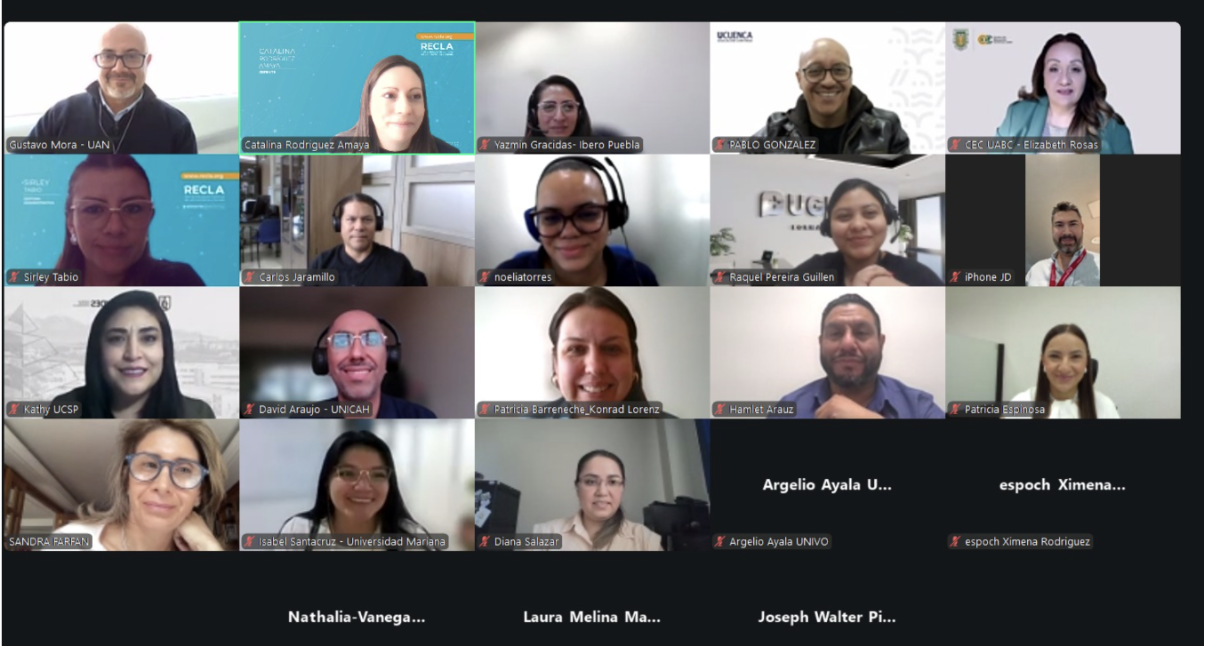
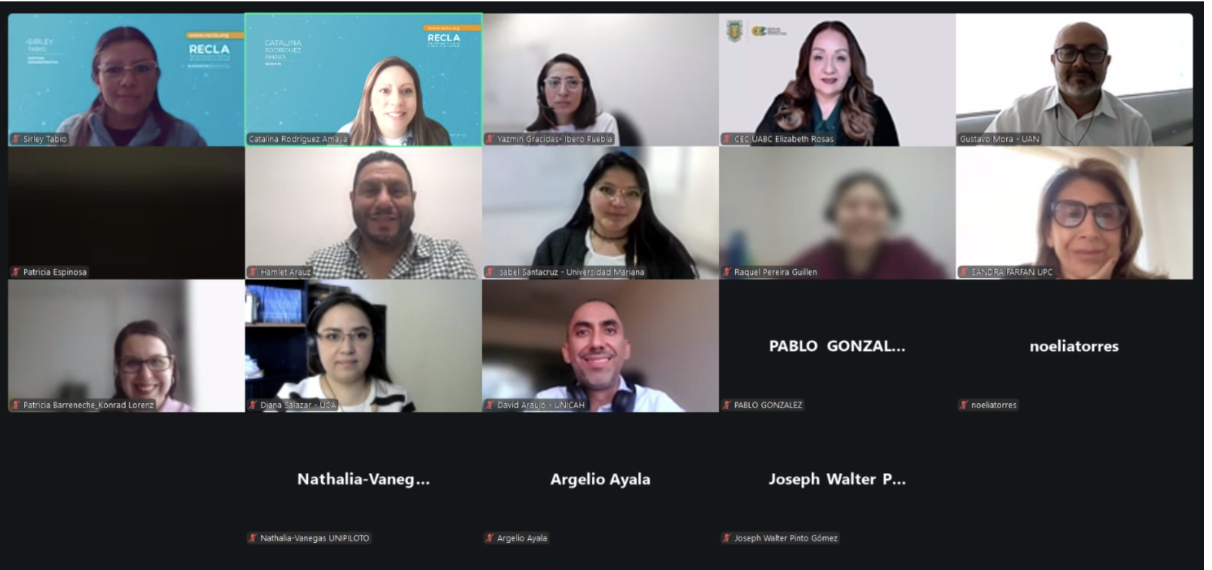
This was one of the questions we asked ourselves in our last RECLA workshop, held on August 14 and 21, with the participation of 16 directors of Continuing Education from our community.
The session was led by Gustavo Mora, National Director of Extension at Antonio Nariño University , and allowed for a review of aspects that are often behind the daily operation: how we evaluate and train administrative teams, how we make communication and registration processes more efficient, how we measure the profitability of programs, and what information we need to make better decisions.
Based on the work carried out during the four-hour activity, seven management criteria were addressed:
– Evaluation and development of administrative staff.
– Training and skills development.
– Communication, marketing, and registration processes.
– Economic sustainability of the program.
– Budgetary and financial management.
– Objectives, indicators, and monitoring.
– Investment policy in infrastructure, technology, and support services.
One of the points discussed was the need for information that allows for proactive planning. This includes everything from KPI dashboards and profitability tracking to costing models, periodic reviews of offerings, and more streamlined registration processes.
Concrete actions were also proposed for the coming years: 360° evaluations, training plans according to the needs of each position, automation and use of CRM, market segmentation, budgets with projection of income and costs, and an investment policy connected with the institutional strategic plan.
Because managing Continuing Education also involves knowing what to measure, what to review, where to invest, and when to make decisions.
This workshop is part of the learning and collective construction spaces that we promote from RECLA to share experiences and tools among those who are in charge of Continuing Education in our institutions.
Thanks to Gustavo Mora and the 16 participants for being part of the spaces created for our entire learning community.
RECLA.