
Venturing into a forest full of secrets, the exploration of the world of teaching resources can be both a challenging and exciting experience. At first glance, it might seem like we're talking about common, everyday teaching tools, the kind that any teacher, instructor, or academic leader has in their arsenal. However, behind the term «teaching resource,», There is a rich and fascinating history, a complex web of innovations and discoveries that have changed the way we impart and receive knowledge.
The term "didactic resource" encompasses much more than simple teaching aids. These are the keys that can unlock deeper, more meaningful, and more participatory learning. At its core, A didactic resource is any material, tool, or technique used with the aim of facilitating and optimizing the teaching-learning process. And although we might think this is limited to textbooks or educational software, in reality, the concept is infinitely broader and more flexible.
The magic of educational resources lies in their ability to adapt, evolve, and reinvent themselves, always with the goal of meeting the learning needs of a constantly changing society. From the invention of writing and the printing press, through the digital revolution, to the frontiers of artificial intelligence, each generation has had its own educational resources, each with its own dose of magic.
That's why, on this tour, we invite you to discover the authentic power of didactic resources and their impact in the classroom. Throughout this journey, we will explore the diversity of these resources, how they are applied effectively, and what future innovations await us on the horizon. As an academic leader, teacher, or simply someone passionate about education, This journey will provide you with the tools and knowledge to take your skills and abilities to the next level. Because, after all, education is a journey of discovery, and teaching resources are our valuable compasses.
🚀 Discover the incredible world of continuing education! With our introductory course, you'll not only learn the basics but also understand its evolution and its impact on the future. Our academic offering is unique and designed to be accessible and flexible. Enroll now and take advantage of the benefits we offer for groups and for those who enroll in more than one course! Click here to register.
Discovering the Power of Educational Resources

Imagine you are an alchemist, holding the key ingredients to ignite the flame of knowledge in every student. This is precisely the essence of every educational resource: fascinating elements capable of transforming education into a living, palpable, and transcendent experience. But how did we get here? How did we discover the power of these resources, and how have they become essential pillars in the teaching-learning process?
Teaching resources did not arise spontaneously.one of them is the result of years of exploration, trial and error, innovation, and adaptation. From ancient scrolls to printed textbooks and modern virtual learning environments, each educational resource has been born in response to a specific educational need, always with the aim of facilitating, enriching, and personalizing the learning experience.
The true value of a teaching resource lies not in its physical or virtual form, but in its ability to connect with the student, capture their attention, spark their curiosity, and motivate them to continue learning. And this is where the importance of teaching resources lies. They are the vehicles that allow knowledge to be transported from abstract theory to tangible and applicable reality. They are the bridge that connects knowing with doing, that translates concepts into actions, and that turns learning into an active, participatory, and meaningful experience.
The diversity of teaching resources and their purpose

Navigating the sea of education, teaching resources are like islands full of treasures, each one unique in its form and content. This diversity is not accidental, but rather reflects the vastness of learning styles, disciplines, and technologies that make up the educational universe. From classic textbooks to the most cutting-edge virtual reality systems, each educational resource has a unique and valuable purpose in the learning journey.
Imagine you are standing before a rainbow of options, each color representing a different type of educational resource, all converging to form a complete and vibrant educational spectrum. For example, printed educational resources, such as books, brochures, and magazines, are the traditional backbone of teaching, providing a solid foundation of information. Digital resources, such as educational apps, online learning platforms, and educational videos, offer a dynamic and adaptable learning experience. Playful resources, such as educational board games, role-playing games, and puzzles, make learning an engaging and fun activity.
🎓 Are you looking to expand your knowledge and skills? The Introduction to Continuing Education course awaits you. If you are a junior professional, a teacher, or simply interested in this field, this course is for you. With our virtual certification, you can learn at your own pace. Plus, get a discount if you enroll in a second RECLA course! Discover more here.
Printed Educational Resources: Traditional But Effective

In the vast landscape of teaching resources, there are some that, although they have been with us for a long time, continue to demonstrate their value day after day. We are talking about printed teaching resources, those faithful allies of education that have stood the test of time and continue to be effective in our classrooms.
In an era where digital seems to have taken the lead, you might ask yourself, why are printed educational resources still relevant? Although it may not seem like it, the answer is quite simple: These resources provide a tangibly different learning experience, one that combines the visual and the tactile in a way no digital resource can exactly replicate.
Think about the textbook, the quintessential printed teaching resource. When you open a book, you not only see the words and images on the pages, but you also feel the weight of the book in your hands, smell the scent of the paper, and hear the rustle of the pages as you turn them. It is a multisensory experience that can make learning more memorable and engaging.
Furthermore, printed teaching resources they offer a quieter, more reflective form of learning, free from digital distractions. When a student sits down with a book or workbook, their attention is focused on that task, promoting concentration and deep thinking.
Maps, charts, study sheets, diagrams, magazines, and other printed educational resources also play an important role, allowing students to visualize concepts, organize information, and explore topics in a structured and orderly manner.
Textbooks and their relevance in education
When we talk about printed educational resources, textbooks are undoubtedly the stars. And for good reason, they have been, and continue to be, an essential pillar in the educational landscape. But what makes textbooks so relevant in education?
The answer lies in their versatility and ability to adapt to a wide variety of contexts and learning styles. Textbooks are like a blank canvas in the hands of an artist, providing a solid foundation upon which teachers and students can build, explore, and expand their knowledge.
The use of charts, diagrams, and mind maps
If textbooks are the cornerstone of printed teaching resources, then charts, diagrams, and mind maps are the architects. These resources have the unique ability to take abstract or complex concepts and transform them into clear and understandable visual representations, acting as bridges between information and comprehension.
On the other hand, mind maps are an essential teaching resource for fostering critical and creative thinking. Unlike charts and diagrams, which are generally provided by the study material, mind maps are created by the students themselves, allowing them to personalize their learning and explore connections between different ideas in a deeper and more meaningful way.
Digital Teaching Resources: The Rise of Technology in the Classroom

In an increasingly interconnected and digitalized world, Digital educational resources have become undisputed protagonists of the educational scene. The rise of technology in the classroom has opened a world of possibilities for learning, turning every electronic device into a gateway to a universe of knowledge and experiences.
As teaching resources, Digital tools offer unprecedented flexibility and adaptability. Whether through educational apps, online learning platforms, interactive simulations, educational videos, or even learning games, technology has the power to personalize education and adapt it to the individual needs and learning styles of each student.
In addition, digital teaching resources promote active participation and collaborative learning. Discussion forums, group activities, and online collaborative projects foster communication, teamwork and the exchange of ideas among students, creating a dynamic and enriching learning community.
In a digital world, the classroom is no longer limited by its four walls. Virtual tours, 3D tours, and online conferences provide students with the opportunity to explore new places, experience different cultures and learn from experts worldwide without leaving your home or school.
It is important, however, to remember that although technology offers many advantages, it should not be seen as a substitute, but rather as a complement to traditional teaching resources. The effective use of teaching resources, whether printed or digital, depends on a balanced and thoughtful integration that takes into account the individual needs, skills, and contexts of students.
💡 Power your future with continuing education! Our online course will allow you to learn autonomously, but always with assistance. Access reading materials, videos, and self-assessment exercises available 24/7. And if you enroll in 2 or more courses, you get an extra benefit! Dare to take the step and sign up here.
Educational Software and Applications: How to Choose the Best Option?
Within the broad spectrum of digital educational resources, educational software and applications hold a prominent place. They offer a world of possibilities at the click of a button, from interactive lessons to practical exercises and real-time assessments. However, with such an extensive and varied offer, how do you know which is the best option?
The first step in choosing the right digital learning resource is to clearly understand the learning objective. Are we looking to reinforce a specific skill, explore a new topic, improve classroom interaction, or simply vary the lesson format to make it more engaging? Once we have clarity on what we want to achieve, we can start evaluating the different options available.
It is important to research the features and functionalities of each software or application. Is it interactive? Does it allow for content customization? Does it include activities for evaluation and student progress tracking? Is it easy to use for both educators and students? These are just some of the aspects we should consider.
The role of interactive platforms in modern learning
Interactive platforms have earned a leading role in modern teaching theater. This kind of teaching resource has changed the face of learning, allowing students to become primary actors in their own education.
Interactivity is a fundamental aspect of these platforms, creating a more engaging and participatory learning environment. Students are no longer mere recipients of information, but rather active participants in the educational process.. This active participation contributes to motivation and interest in learning, fostering curiosity and a desire to explore and discover.
On the other hand, these platforms also offer a large number of resources and tools that expand teaching and learning possibilities. From videos, audio, graphics, and interactive games to discussion forums, blogs, and wikis, these platforms are true centers of didactic resources, offering a wide range of options to satisfy different learning styles and preferences.
Furthermore, Interactive platforms also provide tools for student assessment and progress tracking. This allows educators to monitor student progress, identify areas of difficulty, and adapt teaching strategies to improve learning outcomes.
Playful teaching resources: the game as a teaching method
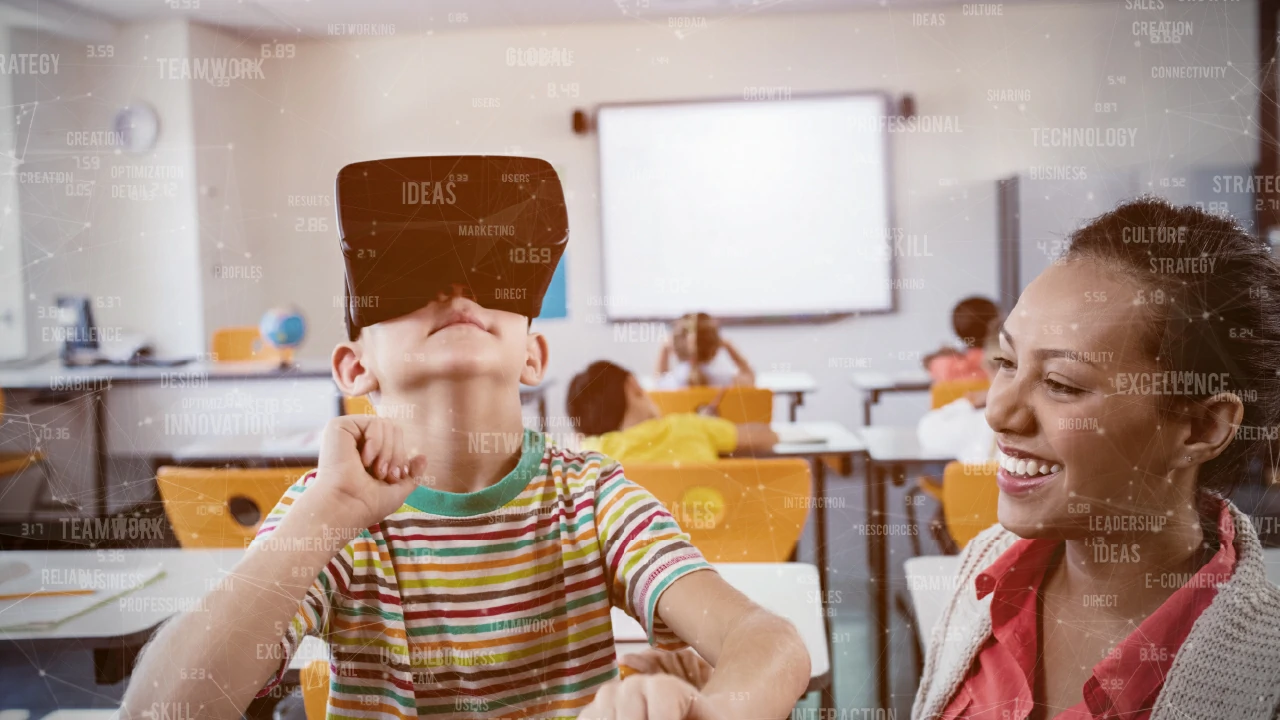
Among the wide range of options offered by didactic resources, playful ones have a special charm. Incorporating games as a teaching method represents an effective and fun way to promote learning. But why is play so powerful in the classroom?
The game, by its nature, attracts attention and generates excitement. When students are emotionally engaged, their ability to absorb and retain information increases. Playful educational resources, therefore, open a window to deeper and more lasting learning.
Additionally, games are an excellent way to practice social and emotional skills. They work on cooperation, empathy, frustration tolerance, respect for rules, and fair play, which are key elements for coexistence and personal development.
Games also foster critical thinking and problem-solving. Whether it's solving a riddle, devising a strategy to win a board game, or building a tower with building blocks, Games challenge us to think, make decisions, experiment, learn from mistakes, and seek creative solutions.
On the other hand, games can be adapted to any curricular content. They can be used to practice math, learn vocabulary, explore scientific concepts, develop writing skills, among other things. The limit is the educator's imagination and their ability to integrate play into their pedagogical practice.
Take the next step in your professional career! Our introductory continuing education course will provide you with the tools and knowledge necessary to face the challenges of future education. Plus, if you are part of a group from the same institution, you will receive a discount! Sign up now!
Benefits of gamification in education
Gamification has arrived in education to stay, as this type of didactic resource offers multiple benefits that enhance learning and motivate students.
First, let's address what gamification is. This is about applying game elements and techniques in non-game environments, such as the classroom. This can include incorporating scores, levels, challenges, competitions, and rewards into educational activities.
One of the key benefits of gamification is its ability to increase student motivation. Game elements make learning more fun and engaging, which can improve student participation and their willingness to learn.
Additionally, gamification can improve retention and comprehension of information. Through repetition and playful practice, students have more opportunities to internalize and understand educational material.
How to effectively implement educational games?
Implementing games as teaching resources effectively requires careful and thoughtful planning. It's not enough to simply add a game to the classroom.; it needs to be effectively integrated into the curriculum and used as a tool to achieve concrete learning objectives. Here are some tips for doing so successfully.
- Define your learning objectives Before selecting a game, you must have a clear understanding of the learning objectives you want to achieve. Ask yourself, what key skills or concepts do I want my students to acquire through the game?
- Choose the right game: Not all games are appropriate for all learning situations. You should choose a game that aligns with your learning objectives and is appropriate for your students' skill level and age.
- Prepare your students: Before you start playing, make sure your students understand the game rules and the related learning objectives. Provide a clear explanation and offer guidance and support as needed.
- Make the game easier: During the game, act as a facilitator. Ask questions that help students reflect on what they are learning, highlight connections to course content, and guide students through any difficulties that may arise.
- Reflect and evaluate: After the game, follow up with a debrief or reflection activity. This helps students consolidate what they've learned and make connections between the game and the course content. It's also a good time to assess and provide feedback on student performance.
- Adapt and improve Finally, use student feedback and your own observations to adapt and improve the game's implementation in the future. Remember, the effectiveness of games as teaching resources depends greatly on how they are implemented and used in the classroom.
In this way, games can become a valuable teaching resource that enriches the learning process, while also making it more attractive and meaningful for students.
Applying Teaching Resources in the Classroom: A Practical Guide for Academic Leaders

The process of integrating teaching resources into the classroom can be challenging, but incredibly rewarding. As academic leaders, we play an essential role in shaping how these resources can be used to improve education. Here we provide a practical guide to help you take your first steps on this fascinating journey.
- Understand available resources Before you can implement any teaching resources, you need to understand what's available to you. We've already discussed a variety of teaching resources throughout this blog, but there are many more. The key is to research and experiment with a variety of resources until you find those that best align with your teaching style and your students' needs.
- Design an implementation plan Once you have selected the teaching resources you wish to use, it's time to design an implementation plan. This plan should include details on how and when the resources will be used, how they will be integrated into existing lessons, and how their effectiveness will be measured.
- Professional training and development: To effectively use teaching resources in the classroom, it's essential that you feel comfortable and competent with them. This may involve engaging in professional development or seeking additional training. As an academic leader, you also have the responsibility to foster training and professional development within your team.
- Evaluation and review: Finally, the application of teaching resources in the classroom is an ongoing process. You must be willing to regularly evaluate and review the effectiveness of the resources you are using, and be prepared to make changes if necessary. This may involve collecting student feedback, observing how resources are used in class, and reviewing learning outcomes.
Teaching resources have the potential to transform the classroom and improve the teaching-learning process. We must be at the forefront of this revolution, using our experience and knowledge to guide our teams in the effective integration of these valuable resources into our classrooms.
🎈 Be part of the educational revolution! With our introductory course on continuing education, you will not only gain knowledge, but you will also become part of the solution to the challenges of future education. Don't miss this unique opportunity for learning and growth! Sign up here and start your journey today!
How to measure the impact and effectiveness of your teaching resources?
The path to the effective use of teaching resources doesn't end once they are implemented in the classroom. It is crucial to continuously measure its impact and effectiveness to ensure we are achieving our educational goals. But how do we do this?
- Define success indicators: Each teaching resource has its purpose, whether it's to improve understanding of a topic, increase student engagement, or provide a new way to interact with the material. Define your expectations and establish clear indicators to measure the success of your teaching resources.
- Data collection: There are several ways to collect data on the effectiveness of your teaching resources. You can do this through student satisfaction surveys, learning assessments, or even by observing student behavior during lessons. Don't forget quantitative data, such as student performance on tests or the number of times a digital resource is accessed.
- Analysis and reflection: Once the data is collected, it's time to analyze and reflect on it. Are students more engaged? Are they demonstrating a better understanding of the concepts? Are they using the learning resources as you expected? If the results are not as expected, you may need to adjust how you are using the resources or even consider alternatives.
- Iteration Measuring the impact and effectiveness of your teaching resources is not a one-time event. It should be an iterative process where you are constantly evaluating and adjusting your approach based on feedback and collected data.
Measuring the impact and effectiveness of teaching resources can seem like an intimidating task, but it is essential to ensure that we are providing the best possible education for our students. Remember, the goal isn't perfection, but continuous growth and improvement.
Tools and techniques for evaluating progress
For an academic leader, Having the right tools and techniques to assess your students' progress is essential. In this regard, teaching resources play a crucial role, providing the means to collect, analyze, and interpret data that allows for effective learning monitoring. But what are some of these tools and techniques you can use?
- Formative tests and exams: These can provide a snapshot of a student's knowledge and understanding at a specific moment. The key is to use these assessments as a learning tool, providing constructive feedback and opportunities for improvement.
- Direct observation and field notes These techniques involve observing students in their natural learning environment. With field notes, you can document behaviors, interactions, and other factors that can indicate learning progress.
- Learning portfolios Portfolios allow students to collect and present evidence of their learning over time. As an academic leader, you can use them to assess your students' growth and improvement over the semester or academic year.
- Learning tracking applications Technology has also led to a number of applications and platforms that allow you to track student progress efficiently. Many of these programs provide detailed analytics and reports that can help you better understand your students' strengths and weaknesses.
- Student feedback: Student feedback is an invaluable tool for assessing progress. Surveys, interviews, or reflection sessions can provide direct insight into the student's perspective.
No matter what tools or techniques you decide to use, the key is that they fit your specific teaching needs and goals. At the end of the day, teaching resources are just that – resources. They are tools that can help you facilitate learning and track progress., but the true power lies in how you use them.
🌍 Looking for global and accessible learning? Our introductory course to continuing education is what you need. Learn at your own pace and get an internationally recognized certificate. And if you enroll in a second course, you'll get an additional discount! Discover more here.
Innovative teaching resources: What's next in the future of education?
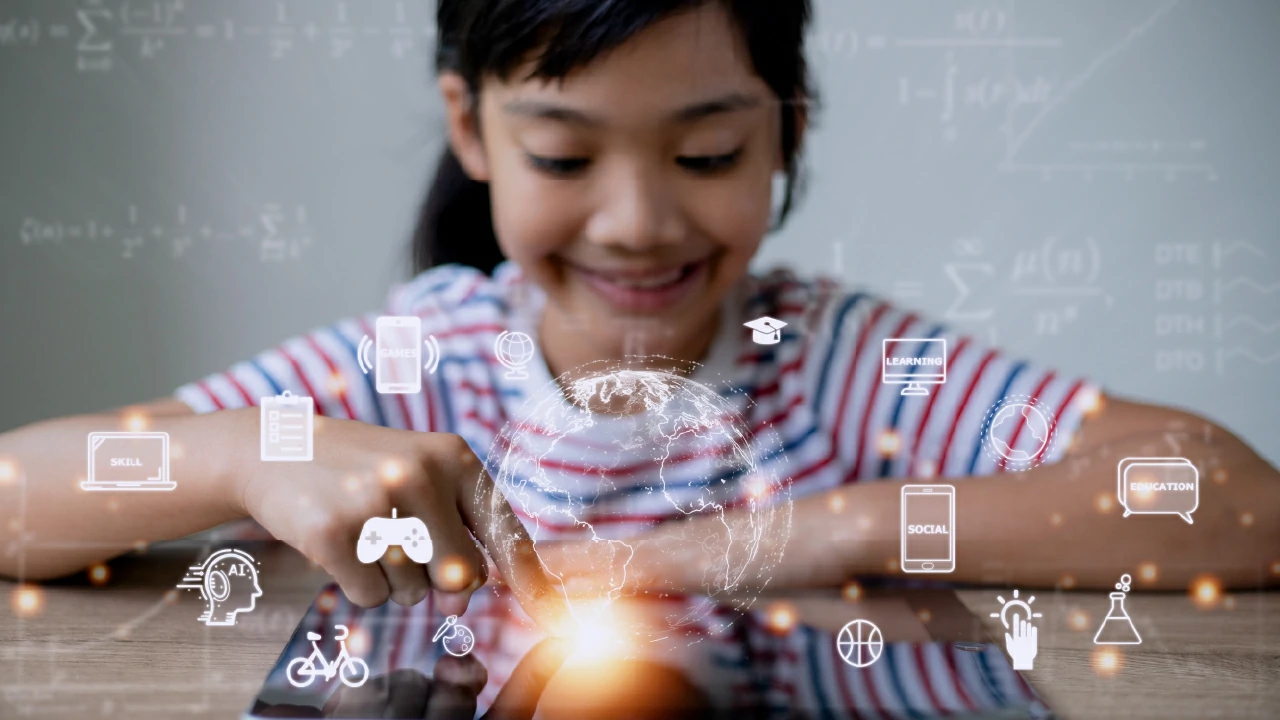
In a constantly evolving world, education is no exception. Innovative teaching resources are taking center stage, promising to revolutionize the future of education and offer endless opportunities to improve learning. But what can we expect from these emerging resources?
- Virtual and augmented reality: These technologies are breaking down barriers in the classroom, allowing students to explore worlds and concepts they could previously only imagine. From virtual trips to historical sites to detailed study of human anatomy in 3D, virtual and augmented reality are elevating learning resources to a new level.
- Artificial Intelligence (AI): With the ability to personalize the learning experience, AI has great potential to improve teaching effectiveness. AI applications can adapt learning activities and content to each student's individual needs, helping them progress at their own pace.
- Internet of Things (IoT) The IoT promises to connect everything, from student desks to notebooks. This can enable more precise tracking of student progress and provide valuable feedback for both educators and students.
- Game-based learning and gamification: Although they are already being used to some extent, the future evolution of these resources promises even more interactive and engaging learning experiences.
- Mobile learning and learning applications With smartphones and tablets becoming increasingly integrated into our daily lives, mobile learning offers opportunities for learning anytime and anywhere.
These are just some of the innovative educational resources we could see in the future of education. However, innovation doesn't always have to do with technology. It can also involve new ways of teaching and learning, creating more inclusive and participatory learning environments, and empowering students. so that they are more active in their own learning process. Whatever the future of learning resources may be, one thing is certain: it is an exciting future full of possibilities.
Artificial intelligence as a teaching resource: Future or present?
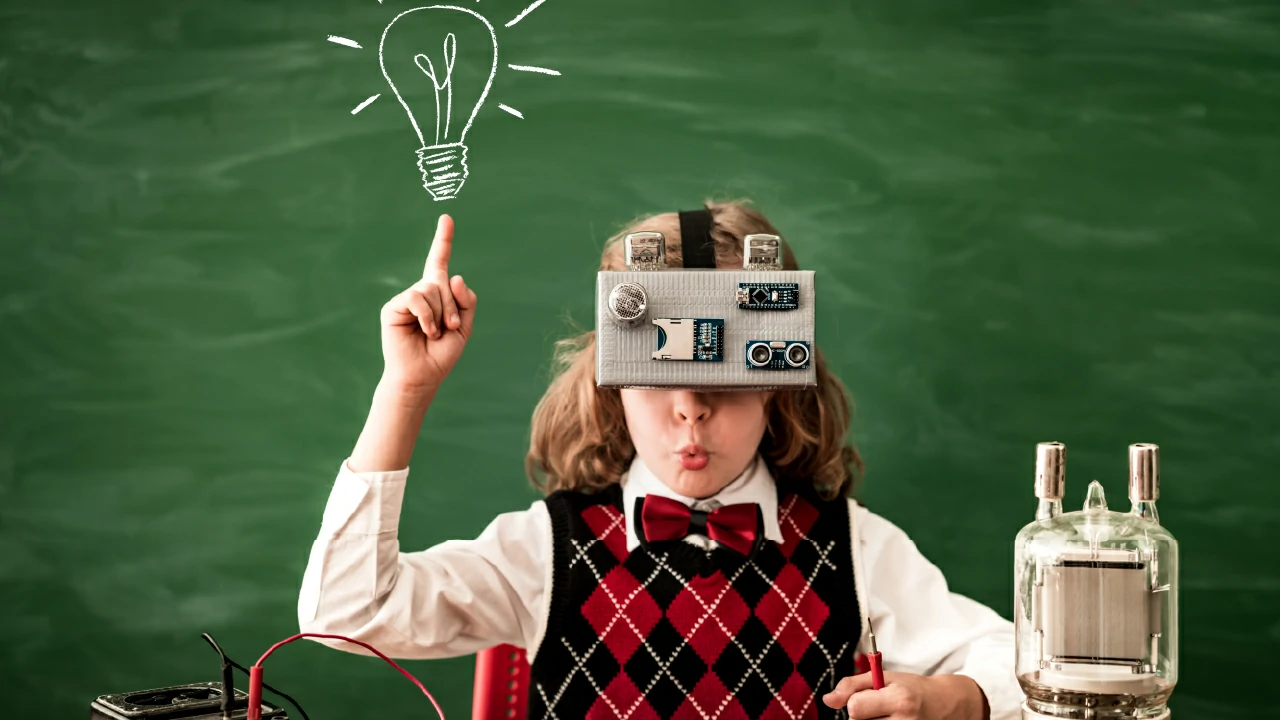
Artificial intelligence has ceased to be a futuristic concept and has become an everyday reality, permeating various sectors of our society, including education. But is AI a didactic resource of the future, or is it already part of our educational present? The answer is a resounding «Both!».
AI is already making waves in the classroom, with a variety of applications ranging from virtual tutors to student performance tracking systems. Virtual tutors, for example, can provide students with personalized feedback and learning opportunities based on their performance and progress. This makes it easier to adapt teaching to the individual needs of each student, which can increase motivation and engagement with learning.
Student performance tracking systems, on the other hand, can use AI algorithms to analyze student behavior patterns and predict their future performance.This allows educators to intervene early when potential difficulties are detected, ensuring that no student is left behind.
Additionally, the use of AI as a teaching resource is facilitating the development of more inclusive learning environments. For example, AI applications can help students with special educational needs by providing them with additional support and adapting content to their pace and skill level.
However, although AI is already impacting education, its true potential lies in the future. With continued advancements in this technology, We'll likely see increasingly sophisticated and effective educational resources in the coming years. From AI systems that can completely customize the curriculum for each student, to AI-powered virtual reality tools that can transport students anywhere or anytime in history for an immersive learning experience.
AI as a teaching resource is both the present and future of education. As educators, our challenge is to embrace this emerging technology and learn to use it in the most effective and ethical way possible to enhance our students' learning.
Frequently Asked Questions about Teaching Resources: Your Questions Answered
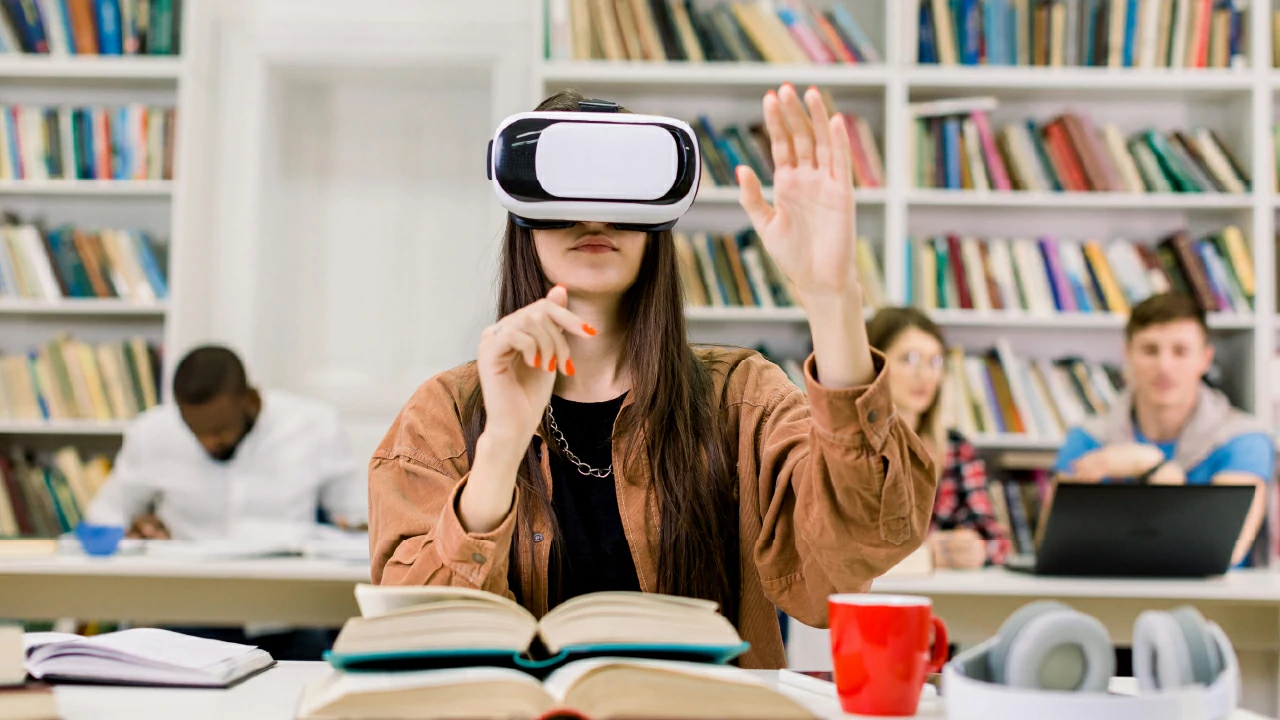
- A didactic resource is any tool, material, or element that facilitates the teaching and learning process. Didactic resources can be used by teachers to explain concepts, engage students, and assess their learning. They can also be used by students to better understand the material and practice their skills.
Here's an example:
A **textbook** is a common didactic resource. It contains information, explanations, examples, and exercises that help students learn a particular subject. Teachers use textbooks to structure their lessons, and students use them to study and complete assignments.
- A teaching resource is a tool, material, or strategy used to facilitate learning. For example, a textbook, which provides structured and detailed information on a specific topic.
- How is an educational resource developed?
- The development of a teaching resource involves defining learning objectives, selecting relevant content, and then designing or selecting the tools or activities that will help students achieve those objectives.
- What should a teaching resource have?
- A good teaching resource should be relevant to the learning objectives, appropriate for the students' skill and knowledge level, and engaging to maintain their interest and motivation. It should also be accessible and easy to use.
- What are the most used teaching materials?
- The most commonly used teaching materials vary depending on the educational context, but can include textbooks, charts, diagrams, videos, educational software, educational games, and more recently, digital learning platforms.
- How are teaching resources classified?
- Teaching resources are generally classified by their format (e.g., print, digital, playful) and by their function or purpose in the learning process (e.g., informational, practice, exploration, creation).
🎈 Prepare for the future with lifelong learning! In our Introduction to Lifelong Learning course, you'll learn about current and future educational trends. Don't miss this opportunity to stay ahead of the curve. Sign up now!
Written and published by:
 Digital Momentum
The spark that ignites your online presence!